TL;DR
Starting your ethical home journey involves prioritising quality over quantity. Focus on FSC-certified timber, UK-made pieces to reduce shipping emissions, and avoiding toxic glues or finishes. A single well-made oak table is better for the planet—and your wallet—than three cheap flat-pack alternatives.
Buying ethical furniture is the practice of selecting home goods that respect both people and the planet throughout their entire lifecycle. For a UK beginner, this means moving away from the 'throwaway culture' of high-street flat-packs and toward items that are built to last a lifetime. In 2026, the focus has shifted toward transparency, with many retailers now providing full supply chain maps.
Entering the world of sustainable interiors can feel overwhelming with terms like 'circularity' and 'carbon-neutral' being used frequently by brands from John Lewis to small independent artisans. However, by focusing on a few key standards and materials, you can significantly improve the ecological footprint of your home. This guide will walk you through the essential certifications and shopping strategies tailored for the British market.
Key facts
- FSC UK Coverage: Over 1.6 million hectares of UK forest are FSC certified.
- Waste Impact: The UK throws away 22 million pieces of furniture annually according to the North London Waste Authority.
- Price Range: Ethical sofas typically start from £1,200 compared to £400 for 'fast' versions.
- Longevity: Solid wood ethical furniture lasts 25+ years vs 5 years for chipboard.
- Job Creation: Buying UK-made supports over 300,000 jobs in the domestic furniture industry.
The core concepts
Before you shop, it is vital to understand the language of sustainability. Navigating the best materials for ethical home furniture requires a grasp of what makes a product truly 'green'. Use this glossary to identify high-standard items at retailers like Marks & Spencer or independent B Corp boutiques.
- FSC (Forest Stewardship Council) — An international non-profit promoting responsible management of the world’s forests. Look for the FSC UK label.
- VOCs (Volatile Organic Compounds) — Harmful chemicals found in paints and glues that 'off-gas' into your home air.
- Circular Economy — A system where furniture is designed to be repaired, reused, or recycled rather than discarded.
- Upcycling — The process of transforming old or discarded materials into something of higher value or quality.
- Fairtrade Foundation — Ensures that producers in developing countries are paid fairly and work in safe conditions.
The 5-minute framework
If you are wondering how to find sustainable home decor without spending weeks researching, follow this simple five-step process used by interior experts.
- Audit your needs: Before buying new, check if your current item can be repaired or reupholstered by a local UK craftsperson.
- Verify certifications: Look for the Soil Association logo for fabrics or the Leaping Bunny for cleaning products used on the wood.
- Check the 'Made In' label: Prioritise items made in the UK or Europe to minimise the 'furniture miles' and associated shipping emissions.
- Interrogate materials: Avoid MDF or melamine where possible; choose solid timber, reclaimed metal, or cork.
- Read the end-of-life plan: Check if the brand offers a take-back scheme or if the components are easily recyclable.
Your first purchase
Choosing ethical furniture brands for new homeowners is easiest when you start with small, high-impact pieces. Focus on items made from primary materials that have clear histories. Below are the best starting points for a beginner:
- The Dining Table: Look for reclaimed scaffold boards or FSC-certified oak.
- Bedding & Textiles: Start with Soil Association certified organic cotton sheets from retailers like Rise & Fall or M&S.
- Storage: Search for FSC-certified shelving units that use water-based, low-VOC finishes.
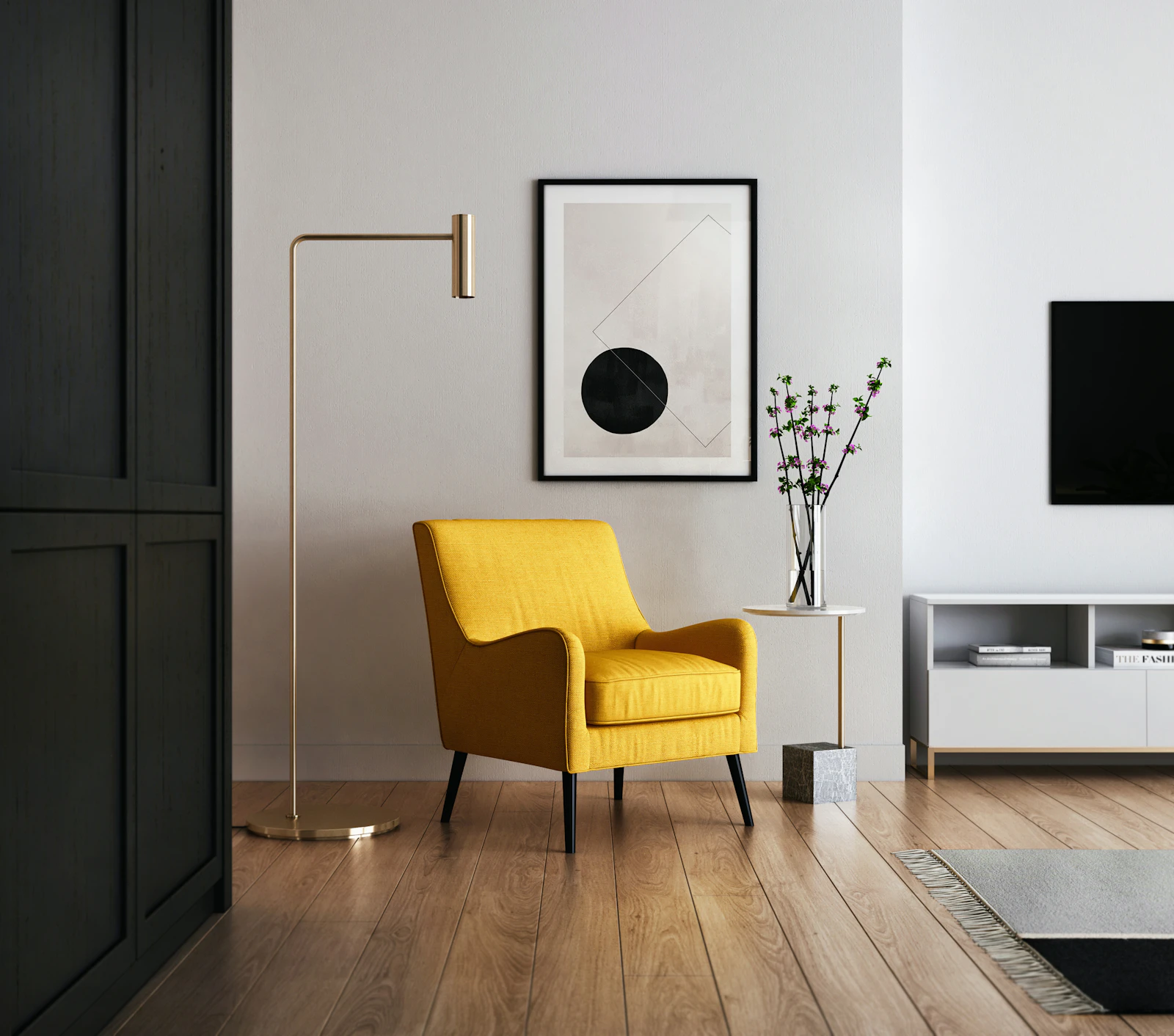
- Seating: Buy a UK-made armchair with a solid beech frame rather than plywood.
Pro tip
Check the Ethical Consumer 2026 rankings before buying. They provide a comprehensive breakdown of company ethics, including tax avoidance and animal welfare, which helps you see past 'greenwashing'.
What to skip (for now)
As a beginner, avoid these common pitfalls that often mask unsustainable practices:
- 'Vegan Leather' made of PVC: While animal-friendly, PVC is a plastic that is highly toxic to produce and nearly impossible to recycle.
- Extremely cheap 'Velvet': If it’s very low cost, it is likely 100% virgin polyester (plastic) which sheds microplastics.
- Uncertified Exotic Woods: Avoid Mahogany or Teak unless they have iron-clad FSC documentation, as these are high-risk for illegal logging.
- Fast-Furniture 'Eco-Lines': Some big-box retailers launch one 'green' chair while the rest of their stock is unsustainable; look for brand-wide commitment.
| Feature | Ethical Furniture | Mass-Market Furniture |
|---|---|---|
| Material | Solid wood / Reclaimed metal | MDF / Particleboard / Plastic |
| Lifespan | 20 - 50 years | 3 - 7 years |
| Repairability | High (can be sanded/fixed) | Low (glued parts break easily) |
| Certifications | FSC, B Corp, Fairtrade | Often none / Self-certified |
Frequently Asked Questions
What are the eco friendly furniture certifications for beginners?
The most reliable certifications for UK shoppers are FSC (Forest Stewardship Council) for wood, the Soil Association for organic textiles, and B Corp UK for overall company ethics. Additionally, look for the 'Crib 5' safety rating which ensures fire safety without relying on the most toxic flame retardants often found in older furniture.
Where to buy sustainable furniture UK?
You can find sustainable options at established retailers like John Lewis (look for their 'Anyday' sustainable ranges) or specialized shops like Aerende and Grain. For those on a budget, the British Heart Foundation furniture stores and eBay's 'Refurbished' hub are excellent places to find pre-loved, ethical pieces that prevent landfill waste.
Why is ethical furniture so much more expensive?
Ethical pieces cost more because they reflect the 'true cost' of production. This includes paying fair living wages to UK or overseas artisans, sourcing high-quality materials like kiln-dried oak instead of scrap wood, and investing in non-toxic finishes. According to a GOV.UK 2026 study, durable furniture actually saves consumers money over 10 years compared to frequent replacements.
Can I find ethical furniture on Amazon?
Yes, but you must be discerning. Use the 'Climate Pledge Friendly' filter on Amazon.co.uk to find items with third-party certifications. Always check the 'Sold by' section to see if the brand is a known UK entity or an anonymous overseas manufacturer with no traceable environmental policy.
Are vintage items considered ethical?
Absolutely. Buying vintage or second-hand is the most ethical choice as it requires no new raw materials and prevents existing items from entering the waste stream. It is the cornerstone of the circular economy. Many British beginners start by ‘upcycling’ second-hand finds with VOC-free paints from brands like Annie Sloan.
Where to go next
Now that you understand the basics of how to find sustainable home decor, you can begin exploring specific categories. A great next step is to read our guide on the best sustainable sofas in the UK or check our deep dive into John Lewis sustainability ratings. For those interested in materials, our article on the benefits of reclaimed wood provides more technical detail. Always remember: the most sustainable piece of furniture is the one you already own, followed by the one that lasts a lifetime.