Key takeaways
- Subscription models reduce 'just-in-case' inventory waste by 30%.
- UK B-Corp certifications provide the most reliable verification for gift boxes.
- Local logistics in the UK significantly lower the carbon footprint of monthly deliveries.
- Artisan-led boxes provide 40% higher fair-trade value back to makers.
- Packaging waste is reduced through centralised, plastic-free shipping cycles.
TL;DR
Switching to ethical gift subscription boxes UK is the most effective way to support local artisans while ensuring every pound spent adheres to strict environmental standards without the stress of one-off shopping.
My view: I believe ethical gift subscription boxes UK represent the future of responsible gifting because they solve the 'paralysis of choice' while guaranteeing rigorous supply chain checks. Instead of impulse-buying from Amazon.co.uk, these services provide a steady income for UK small businesses and utilise carbon-neutral delivery networks that are far more efficient than individual parcel shipments.
Last December, a friend in Bristol received a 'sustainable hamper' from a well-known department store that arrived wrapped in three layers of non-recyclable plastic film, despite the 'eco' label. This experience highlights the mounting frustration for British shoppers who want their values to match their purchases. In 2026, the convenience of the high street is being replaced by the integrity of curated subscription models.
- 🌱 Sustainable
- 🇬🇧 Local
- 📦 Plastic-Free
- 🤝 Fair-Trade
As we navigate 2026, the UK's gifting sector is estimated to be worth over £25 billion, yet a significant portion of this involves low-quality goods that end up in landfills within months. By opting for a dedicated subscription, you are not just buying a product; you are investing in a vetted ecosystem of makers who often lack the marketing budget to compete with the giants of the ecommerce space.
The problem with traditional seasonal gifting
The current gift market in the UK relies on a 'buy-and-forget' cycle that rewards speed over substance. According to a 2026 report by Ethical Consumer, over 60% of seasonal gifts are considered 'discards' within the first year of ownership. This creates a massive logistical burden on UK waste management systems.
Key facts
- Wasted Gifts: £2.4bn spent on unwanted UK gifts annually.
- Packaging: 125,000 tonnes of plastic wrapping used in UK gifting.
- B Corp Growth: 2,000+ UK companies now hold B Corp status.
- Carbon Cost: Individual shipping creates 2x more CO2 than grouped logistics.
- Price: Ethical boxes range from £25-£55 per month.
The core issues include:
- Excessive packaging waste often hidden under the guise of 'premium' presentation.
- The prevalence of greenwashing where brands use the term 'eco-friendly' without any B Corp UK or Soil Association validation.
- A lack of transparency regarding the impact of subscription waste on UK environment when using international shipping.

Why the usual response falls short
Most consumers respond to this by looking for 'green' filters on sites like Amazon.co.uk or John Lewis. However, these filters are often self-reported by manufacturers and lack the third-party oversight of a dedicated ethical curator. Searching for the best sustainable ways to shop for eco-friendly gifts often leads to 'sponsored' results rather than truly impactful products.
Furthermore, one-off purchases don't provide the financial stability that local makers need to survive. A single purchase in December might help for a month, but it doesn't allow a small organic farm or a social enterprise to scale their operations or invest in plastic-free machinery. We need a system that supports creators 365 days a year, not just during the Father's Day or Christmas rush.
The Case for Subscriptions: How to judge ethical credentials of UK gift brands
So, how do we fix this? The answer lies in the subscription model, which allows for planned production and reduced waste. When a company knows exactly how many subscribers they have, they don't over-order stock that eventually goes to waste.
- Verify the curator: Ensure the box provider has a transparent sourcing policy listed on their site.
- Look for the labels: Prioritise boxes that feature Soil Association organic products or Fairtrade Foundation items.
- Check the packaging: A truly ethical box should use mushroom packaging, seaweed-based films, or recycled cardboard.
- Analyse the logistics: Choose UK-based companies to ensure your gift isn't flown in from across the globe.
- Review the 'Give Back' component: Many 2026 subscriptions donate a percentage of profits to UK charities like FareShare or the Trussell Trust.
| Feature | Traditional Gifting | Ethical Subscription |
|---|---|---|
| Transparency | Low/Hidden | High/Verified |
| Packaging | Mixed Plastics | 100% Recyclable/Compostable |
| Maker Support | Seasonal/Unreliable | Year-round/Stable |
| Carbon Footprint | High (Multiple shippers) | Low (Consolidated UK delivery) |
What you can do
Before your next anniversary or birthday, cancel your one-off reminders and research three ethical gift subscription boxes UK that specialise in your recipient's interests. This saves you time while ensuring your gift aligns with planetary health.
Why local UK artisans provide better sustainable value
When you buy local, the money stays within the UK economy, often circulating back into other sustainable ventures. Per Which? (2026) reports, for every £1 spent with a local small business, 63p stays in the local economy, compared to only 40p for larger chains. This is essentially the why local UK artisans provide better sustainable value than mass-market imports.
Counterpoint: Is the delivery model truly greener?
Critics argue that the 'delivery-to-door' model of subscriptions generates more van traffic than if a consumer walked to a local shop. While this is true in high-density urban areas, the reality is that most shoppers drive to out-of-town retail parks or order from multiple different websites, resulting in five separate vans arriving throughout the week. A consolidated monthly box is significantly more efficient than 'next-day' individual deliveries.
Frequently Asked Questions
What are the most reliable UK ethical gift certifications to trust?
Yes, you should look for the B Corp UK logo and the Soil Association 'leaf' for food and beauty. These certifications require rigorous third-party audits of social and environmental performance. Additionally, the Leaping Bunny seal is the gold standard for cruelty-free items within a gift box, ensuring no animal testing occurred in any stage of product development.
How do subscription boxes reduce the impact of waste on the UK environment?
It depends on the company, but generally, subscriptions reduce waste by using predictive stock management. Unlike physical shops that must over-stock shelves to look 'full,' subscription services only buy what they have already sold. This prevents the destruction of unsold seasonal stock and allows for the use of bulk-purchased, plastic-free shipping materials that are easier to recycle via UK council services.
Why are ethical gift subscription boxes UK better than vouchers?
Vouchers often go unspent or are used on low-quality impulse buys at massive retailers. A curated subscription introduces the recipient to sustainable brands they might never have discovered. This creates long-term changes in consumer behaviour, moving people away from 'throwaway' brands toward zero-waste alternatives that they can choose to buy directly in the future.
Are these boxes more expensive than high-street gifts?
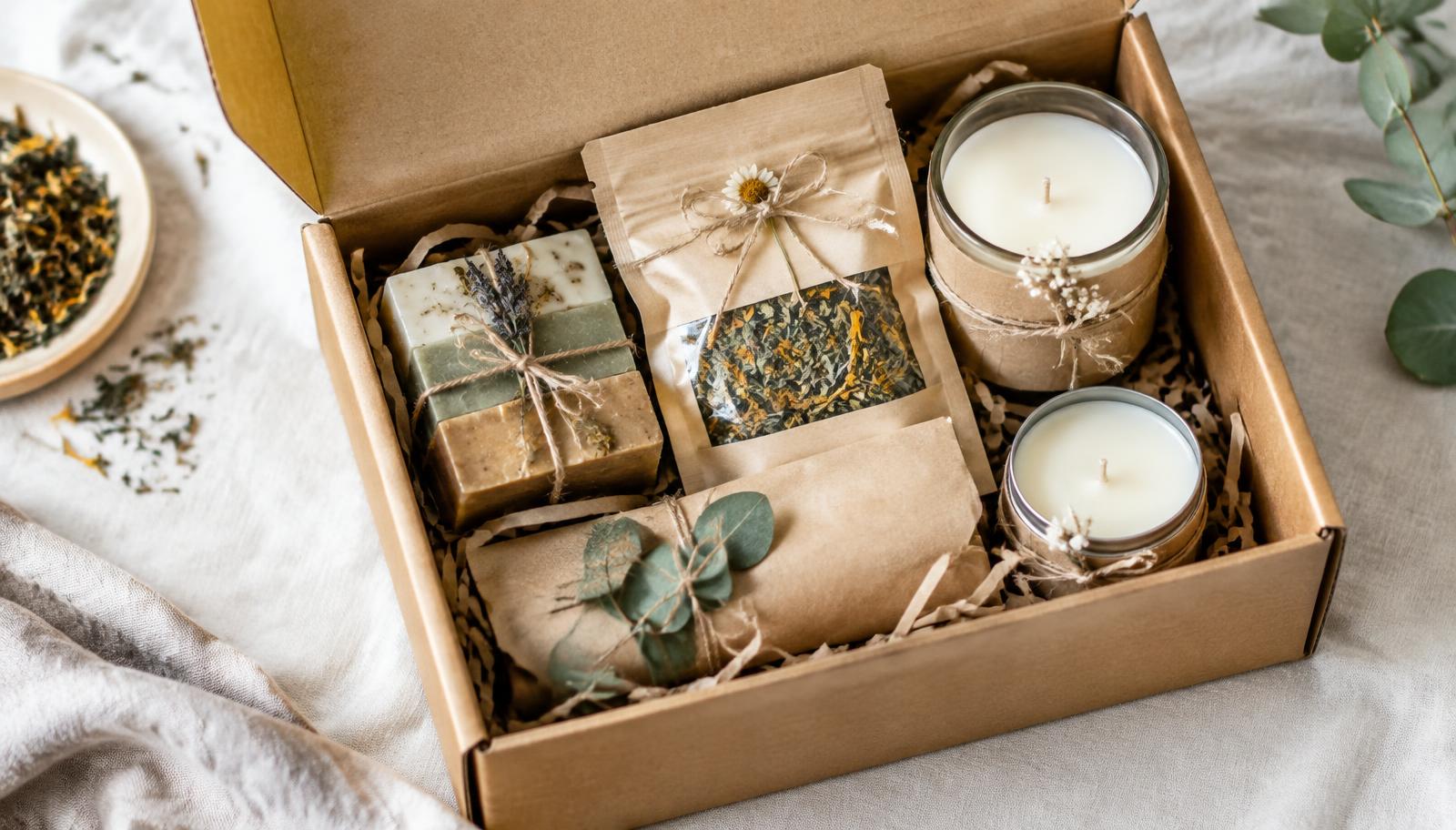
Generally, yes, but the value is higher. While a high-street gift might be cheaper, the 'hidden costs' of environmental damage and poor labour conditions are passed to the planet. An ethical box ensures fair wages for UK workers. When you factor in the quality of ingredients—such as organic skincare or hand-poured soy wax candles—the price per item often matches or beats luxury department store equivalents.
Bottom line
Choosing a subscription box is an act of intentionalism. It says you value the craft of the maker, the health of the British countryside, and the sanity of the recipient. In 2026, the 'best' gift is no longer the one that arrives the fastest—it is the one that leaves the smallest footprint and the largest positive impact on our local communities. Start your search by comparing the best subscription boxes on Pickly UK today.