Key takeaways
- Polestar provides verified blockchain tracking for cobalt and mica sourcing.
- Tesla leads in efficiency, requiring fewer kWh per mile travelled.
- Both brands carry a B Corp UK style ethos but lack full third-party certification.
- Polestar's transparency reports are currently more detailed than Tesla's.
- Tesla’s Supercharger network remains the most reliable in the UK as of 2026.
TL;DR
Polestar is the superior choice for buyers prioritising supply chain transparency and verified material sourcing, whereas Tesla is the better option for those seeking maximum range efficiency and the UK's best charging network. Overall, Polestar sets a higher bar for corporate ethical reporting in 2026.
- 🌱 Ethical
- 🔌 Electric
- 🇬🇧 British-Ready
Deciding between these two giants often comes down to a clash of philosophies. Tesla, the Silicon Valley disruptor, focuses on accelerating the world’s transition to sustainable energy through scale and vertical integration. Polestar, the Swedish-Chinese venture, positions itself as the design-led 'conscience' of the automotive world, pushing for absolute transparency in carbon reporting.
For UK consumers, the decision is influenced by high domestic electricity costs and the push for sustainable materials in luxury interiors. According to Which? (2026), reliability and software remain top concerns for British EV owners, but ethical sourcing is now a top-five purchase driver. We have compared these brands across ten critical metrics to help you decide.
Side-by-side scorecard
Key facts
- Polestar 2 starting price: £44,950
- Tesla Model 3 starting price: £39,990
- Polestar average recycled content: 35%
- Tesla drivetrain efficiency: 4.1 miles/kWh
- UK Supercharger locations: 1,100+
- Warranty period: 4 years / 50,000 miles
| Criterion | Tesla (Model 3/Y) | Polestar (2/3/4) | Winner |
|---|---|---|---|
| Supply Chain Transparency | Moderate | Excellent | Polestar |
| Recycled Interior Materials | Good (Vegan) | Superior (WeaveTech) | Polestar |
| Energy Efficiency | Class-leading | Good | Tesla |
| Carbon Footprint Reporting | Annual Impact Report | Life Cycle Assessment | Polestar |
| UK Charging Network | Proprietary + Open | Third-party reliant | Tesla |
| Repairability Score | Low | Moderate | Polestar |
| Software & UX | Industry Best | Google-based | Tesla |
| Animal Welfare | 100% Vegan standard | Vegan options / Traceable Leather | Draw |
Tesla at a glance
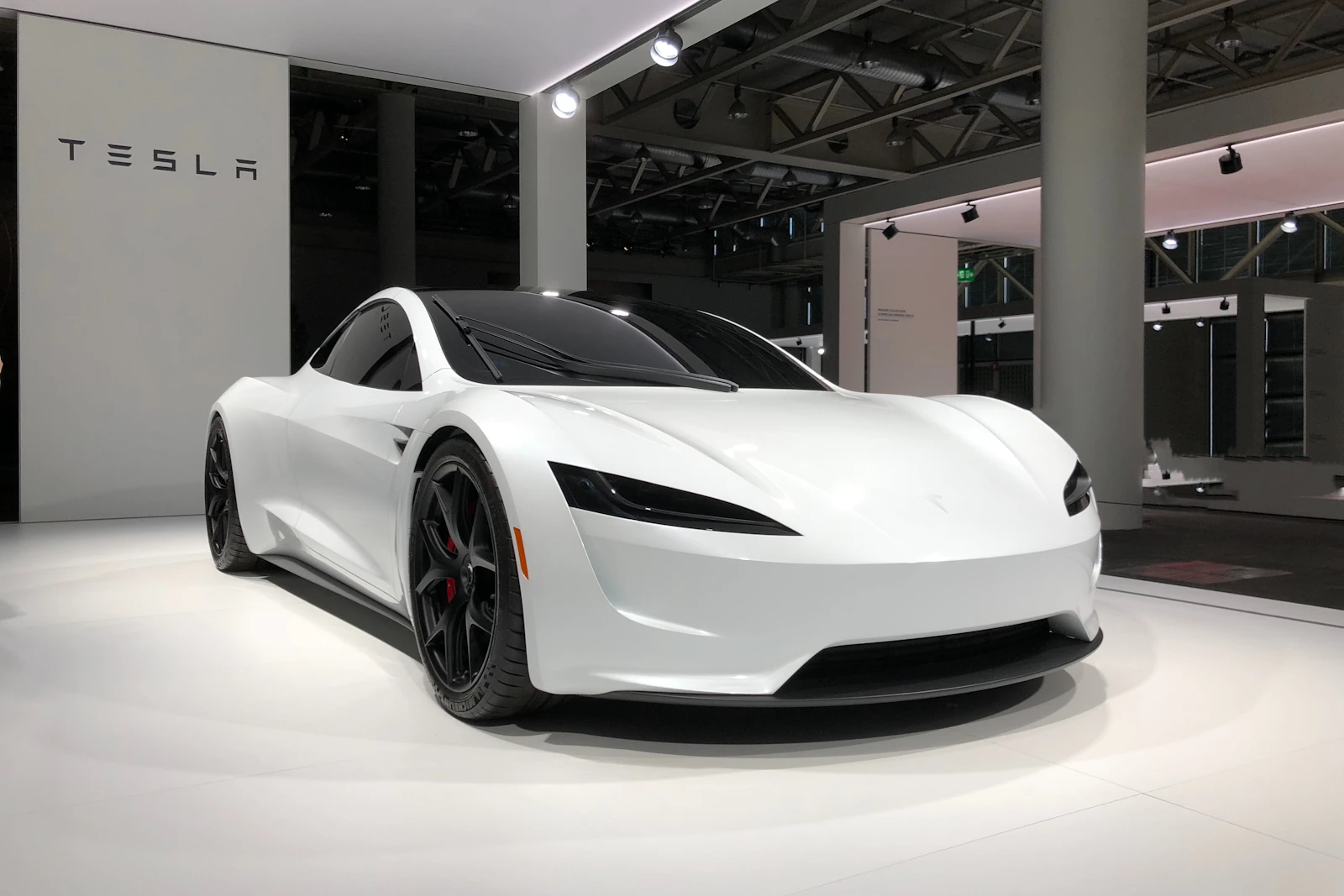
Tesla’s primary ethical contribution is the massive electrification of the global fleet. By streamlining battery production at Gigafactories, they have made EVs more accessible to the average British household. Their 2026 Impact Report highlights a significant reduction in cobalt usage, a mineral often linked to human rights abuses in the DRC.
However, Tesla often faces criticism from UK regulators like the CMA regarding their 'Full Self-Driving' claims and their stance on trade unions, which contrasts with European labour standards. On the product side, their vehicles are incredibly efficient, helping drivers reduce their per-mile carbon footprint significantly compared to an Audi or BMW.
- Pros: Unrivalled UK charging infrastructure; highest efficiency ratings; frequent over-the-air updates.
- Cons: Limited repair network; perceived lower build quality; controversial corporate governance.
Polestar at a glance

Polestar emerged with a promise to be the most transparent car manufacturer in the world. They publish full Life Cycle Assessments (LCAs) for every model, showing the total CO2e produced from cradle to gate. This level of honesty is rare in the automotive industry and allows consumers to make truly informed decisions based on sustainable manufacturing standards UK.
Their interiors utilise innovative materials like Bcomp’s flax-based composites and recycled fishing nets. While they lack a dedicated charging network like Tesla, they partner with networks like Ionity and Shell Recharge to provide integrated payment systems for UK drivers. The Polestar 0 project aims to create a truly climate-neutral car by 2030 without relying on offsetting.
- Pros: Industry-leading transparency; high-quality Volvo-backed safety; beautiful minimalist interiors.
- Cons: Lower range-to-price ratio than Tesla; heavier curb weight affecting efficiency.
Ethics deep-dive
When comparing Tesla and Polestar sustainability ratings, we must look at the granular details of their production systems:
- Tesla: Recycles 92% of battery cell materials in their closed-loop system; heavily invested in solar and storage.
- Tesla: Removed all leather from seats as a standard, though steering wheels were the last to transition.
- Tesla: Aims for a 50% reduction in manufacturing greenhouse gas emissions by 2030.
- Polestar: Uses Blockchain technology to trace Cobalt, Mica, and Leather back to the source.
- Polestar: All showrooms (Polestar Spaces) are designed to be carbon neutral in operation.
- Polestar: Currently achieves a lower 'cradle-to-gate' carbon footprint for their latest flagship models compared to 2024 versions.
How to choose
If your daily commute involves long stretches of the M1 or M6, Tesla’s Supercharger network makes it the most practical ethical choice. However, if your goal is to support the brand with the most rigorous sustainable electric car manufacturing standards UK, Polestar is the definitive winner.
Frequently Asked Questions
Is Polestar more ethical than Tesla?
Yes, in terms of transparency and supply chain mapping, Polestar is currently considered more ethical. They use blockchain technology to ensure minerals like cobalt are not sourced using child labour. Tesla has made strides in reducing mineral dependency but does not offer the same level of verifiable tracing for every component in their 2026 fleet.
Which car has a better carbon footprint in the UK?
It depends on the usage. Per Polestar vs Tesla carbon footprint comparison 2026 data, Polestar cars often have a higher manufacturing footprint but use more recycled materials. Tesla cars are more efficient to drive, meaning if you charge using the UK's greening grid, a Tesla may result in lower total lifetime emissions over 100,000 miles.
Do these brands use animal-based products?
Both brands offer vegan-friendly interiors. Tesla has moved to 100% synthetic 'Tesla-Leather' for all seats and trims. Polestar offers 'WeaveTech' (a water-based PVC) as a premium vegan option, though they still offer ethically sourced, chrome-free leather as an upgrade for those who prefer natural materials with high welfare standards.
Are Tesla and Polestar cars easy to recycle?
Both brands are improving circularity. Tesla claims to recycle almost all battery components at their Nevada and Berlin facilities. Polestar is designing for 'circularity' from the start, using mono-materials in their dashboards that are easier to separate and recycle at the end of the vehicle's life in the UK.
What are the best eco friendly car brands for British drivers?
Beyond Tesla and Polestar, brands like Nissan (with the UK-built Leaf) and Volkswagen (ID series) are strong contenders. However, for those seeking the best ethical electric car UK, Polestar's commitment to zero-carbon manufacturing by 2030 makes them the current market leader for sustainability-focused consumers.
Verdict
The choice between Tesla and Polestar represents a choice between two different ethical priorities. For the consumer who values ethical electric vehicle supply chains UK reviewed by third parties, Polestar is the clear winner. Their dedication to the Soil Association style of rigour in their reporting makes them the 'gold standard' for transparency.
Conversely, Tesla remains the 'utility' winner. By providing a car that is significantly more efficient and easier to charge, they reduce the 'use-phase' impact more effectively for the average driver. In the quest for the best ethical electric car UK, we recommend the Polestar 4 for the ultimate eco-conscious luxury, or the Tesla Model 3 for the best all-around sustainable daily driver in 2026.