Key takeaways
- Traditional pigments often contain cadmium, lead, or cobalt which require strict ventilation.
- The AP (Approved Product) seal is a global benchmark for safety in artist materials.
- Water-based oils and acrylics now offer professional performance without toxic solvents.
- Vegan-certified supplies ensure no animal-derived binders like rabbit-skin glue are used.
- Proper disposal of 'safe' art waste via local council facilities is still necessary for the environment.
- 🌿 Eco-Safe
- 🎨 Pro-Grade
- 🇬🇧 UK Sourced
- 🐰 Cruelty-Free
TL;DR
The best non-toxic art supplies UK artists should use in 2026 feature the 'AP' non-toxic seal and avoid heavy metals like cadmium or lead. Modern water-mixable oils and natural earth pigments provide a professional, safe alternative to traditional solvent-heavy mediums.
The short answer
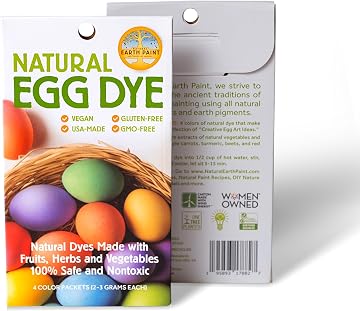
Yes, finding high-quality non-toxic art supplies UK is easier than ever in 2026. Prioritise products with the 'AP' label and those that replace heavy metals with organic pigments. Brands like Winsor & Newton and Natural Earth Paint offer ranges specifically designed to eliminate volatile organic compounds (VOCs) and hazardous solvents, making them safe for home studios and classrooms.

The full explanation
For decades, the art world relied on pigments derived from hazardous materials. Cobalt blues, cadmium reds, and lead whites were industry standards. However, according to Which? (2026) and health safety experts, prolonged exposure to these substances via inhalation or skin contact can lead to long-term health issues. In 2026, UK retailers like John Lewis and Cass Art have significantly expanded their 'clean art' sections to meet consumer demand for safer environments.
To identify the safest products, look for the Health Labeling (ASTM D-4236) standard. While an American standard, it is used globally by reputable brands to indicate that a product has been evaluated by a toxicologist. In the UK, the CE mark and the UKCA mark further ensure that children's art supplies meet stringent toy safety regulations, limiting lead and other heavy metals.
Key facts
- ASTM D-4236: The global standard for labeling chronic health hazards in art.
- VOC Content: Traditional turpentine can emit up to 100% VOCs; modern substitutes emit nearly 0%.
- Cadmium-Free Art: Professional ranges now offer 100% cadmium-free acrylics and oils.
- Honey-Based: Many non-toxic watercolours use honey as a natural binder instead of chemicals.
- Regulatory Oversight: Art materials are monitored by the Health and Safety Executive (HSE) in the UK.
When selecting your gear, consider the materials listed in the table below. Transitioning to professional-grade safety does not mean sacrificing the lightfastness or vibrancy of your work.
| Material Category | Traditional Hazard | Non-Toxic Alternative |
|---|---|---|
| Oil Paint | Turpentine & Lead | Water-mixable oils / Walnut oil |
| Pastels | Dust inhalation / Cadmium | Dust-free beeswax crayons / Oil pastels |
| Brushes | Animal hair (Sable) | Synthetic Taklon / Recycled nylon |
| Solvents | White Spirit | Citrus-based thinners / Lavender oil |
Related questions
Which are the best plastic-free art supplies for adults UK?
The best plastic-free art supplies for adults UK consumers can buy include glass-bottled inks, wooden-barreled pencils with FSC UK certification, and metal-tubed paints. Avoid plastic 'half-pans' in watercolours by buying metal tins and refilling them from aluminium tubes. Paper choices should be 100% cotton or bamboo to avoid the microplastics often found in synthetic blended pads.
Are professional oil paints safe for home use?
It depends on the specific pigments and solvents used. Traditional professional oil paints are safe for home use only if you avoid 'toxic' pigments like lead white and ensure excellent ventilation. However, for a truly safe home studio, shift to water-mixable oil paints which eliminate the need for flammable, toxic solvents like turpentine or white spirit.

Where can I find certified vegan and cruelty free art supplies UK?
You can find certified vegan and cruelty free art supplies UK wide at specialized retailers like Pickly UK art guides. Look for the Vegan Society trademark or Leaping Bunny logo. Common non-vegan items to avoid include brushes made of sable or squirrel hair, paints containing carmine (crushed beetles), and papers sized with gelatin.
How to dispose of toxic art waste safely UK?
To learn how to dispose of toxic art waste safely UK residents should consult their local authority's 'Hazardous Waste' guidelines. Never pour solvents, heavy-metal paints, or contaminated wash-water down the sink. Instead, allow solids to settle, decant the clear liquid for reuse, and take the sludge to a designated chemical waste collection point at your local recycling centre.
Are there safe children's art supplies without heavy metals?
Yes, safe children's art supplies without heavy metals are widely available from brands such as Okonorm or Stockmar. Always check for the EN71-3 certification on the packaging, which is the UK and EU safety standard specifically testing for the migration of 19 different heavy metals in toys and art materials for youngsters.
Pro tip
If you are working with charcoal or pastels, avoid aerosol fixatives which contain high levels of butane and propane. Use a pump-action ‘milk-based’ or 'sugar-based' fixative instead to protect both your lungs and the environment.
Frequently Asked Questions
Is 'non-toxic' a regulated term in the UK art market?
Not strictly. While the term 'non-toxic' is commonly used, the actual legal safety is governed by the Classification, Labelling and Packaging (CLP) Regulation. Producers must label any hazardous substances. At Pickly, we recommend looking for the ASTM D-4236 statement which proves the product has been professionally vetted for chronic health risks.
Can I use food-grade oils to clean my brushes?
Yes, you can use food-grade oils like walnut or linseed oil to clean brushes used with non-toxic art supplies UK styles. Unlike white spirit, these natural oils are non-volatile and won't release harmful fumes into your home. Ensure you wash the oil out with a natural soap afterwards to maintain the brush bristles.
Do eco-friendly art supplies perform as well as traditional ones?
Yes, professional-grade eco-friendly supplies now match or exceed traditional counterparts. According to testing by Ethical Consumer (2026), modern cadmium-free paints offer the same opacity and lightfastness as the original metal-based versions, making them a viable choice for serious artists.