Key takeaways
- Start with 4–5mm bamboo or aluminium needles for comfortable grip and clear stitches.
- Worsted or aran weight yarn is easiest for beginners to handle and see.
- Choose smooth, light-coloured yarn to spot mistakes quickly.
- Your first projects should be scarves, dishcloths or simple squares — not jumpers.
- Check for UK certifications like British Wool or Soil Association to buy ethically.
- Fixing mistakes is a core skill — learn to rip back and pick up dropped stitches early.
TL;DR
This checklist covers everything you need to start knitting in the UK in 2026: choosing needles and yarn, understanding yarn weights, picking a first project, fixing common mistakes, and finding sustainable British wool options you can trust.
- ● leaf
- ● recycle
- ● planet
- ● sustainable
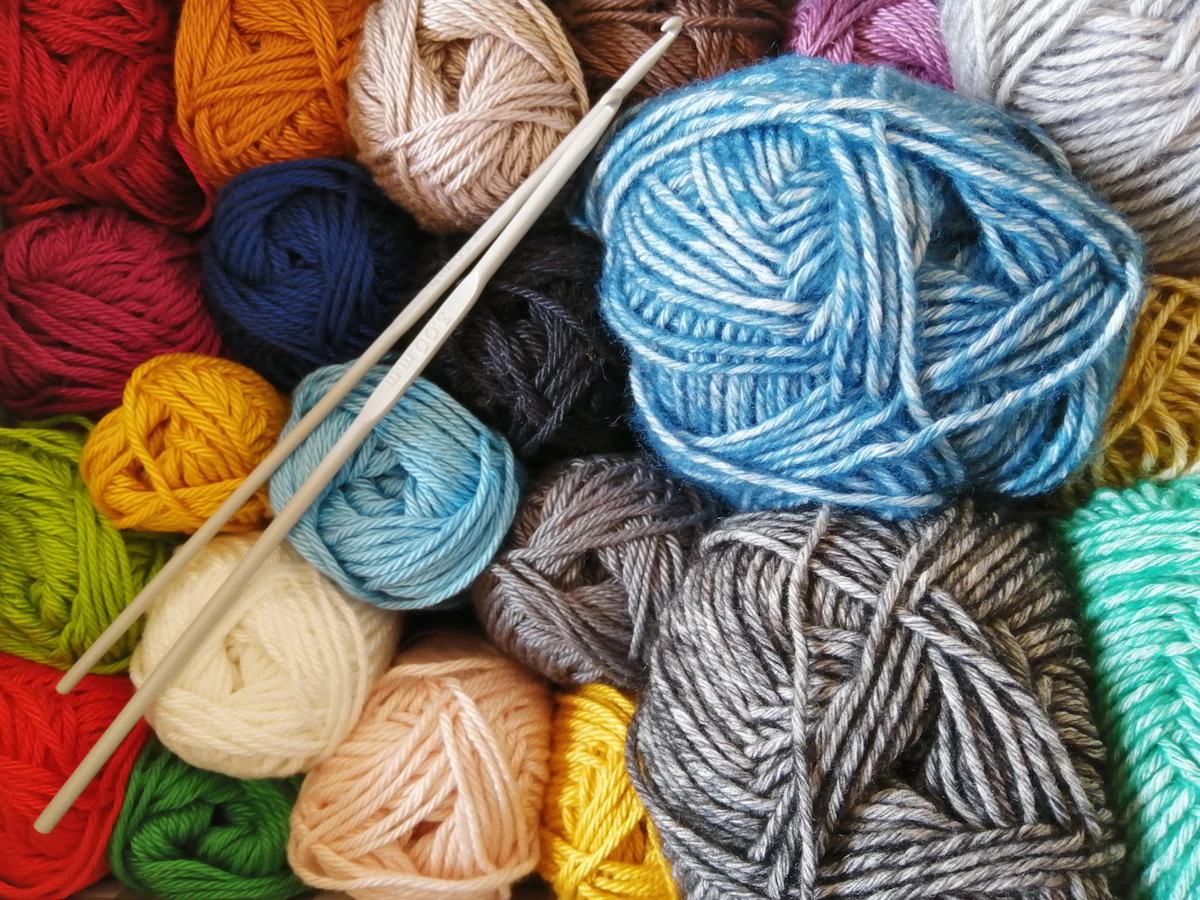
Knitting for beginners is the practice of creating fabric by interlocking loops of yarn using two needles, starting with simple knit and purl stitches. It's one of the most accessible crafts for UK shoppers, with entry-level kits available from £10–£25 at Argos, Hobbycraft and independent yarn shops.
This checklist walks you through every decision you'll face as a new knitter — from needle material to ethical yarn sourcing. It's written for British shoppers who want practical answers, not vague advice. Last updated January 2026.
Key facts
- Starter kit cost: £10–£25 for needles, yarn and pattern in the UK.
- Best beginner needles: 4mm–5mm bamboo or aluminium single-point needles.
- Easiest yarn weight: Worsted (aran) weight — smooth and visible.
- First project length: A scarf takes 4–8 hours for a beginner.
- UK yarn certifications: British Wool, Soil Association, Fairtrade Foundation.
- Online retailers: Amazon.co.uk, John Lewis, Wool Warehouse, LoveCrafts.
- UK regulators: CMA and Trading Standards oversee product safety and claims.
The full checklist
Work through each item before you buy anything. Tick them off as you go — the goal is to avoid the most common beginner mistakes.
- ✅ Choose the right needle material. Bamboo or birch for grip and warmth; aluminium for speed and durability. Beginners usually prefer bamboo because yarn doesn't slide off as easily.
- ✅ Match needle size to yarn weight. Check the yarn label — it recommends a needle size. For worsted weight, that's usually 4.5mm–5.5mm.
- ✅ Pick a smooth, light-coloured yarn. Dark or fluffy yarn hides stitches and makes mistakes harder to spot. Cream, light grey or pastel shades are ideal.
- ✅ Avoid slippery or splitty yarns. Cotton can be splitty for beginners; single-ply wool can break easily. Look for plied, smooth yarns.
- ✅ Buy one ball, not ten. Your first project should use one or two balls maximum. You can always buy more later.
- ✅ Check for UK certifications. Look for British Wool, Soil Association or Fairtrade Foundation logos if ethical sourcing matters to you.
- ✅ Choose a pattern rated 'easy' or 'beginner'. Ravelry and LoveCrafts both filter by difficulty. Avoid anything with shaping or lace for now.
- ✅ Start with a flat project. Scarves, dishcloths, cowls and simple squares are ideal. Jumpers and socks require circular needles and shaping — save those for later.
- ✅ Get the right extras. You'll need scissors, a tapestry needle for weaving in ends, and stitch markers. A row counter helps but isn't essential.
- ✅ Learn knit and purl first. These two stitches form the basis of almost everything. Master them before moving on.
- ✅ Understand gauge (tension). Gauge is the number of stitches and rows per 10cm. It determines whether your project fits. Knit a 15cm x 15cm swatch before starting anything that needs to fit.
- ✅ Learn to fix dropped stitches. Use a crochet hook to pick up a dropped stitch and ladder it back up. Practise on a swatch before it happens for real.
- ✅ Know how to rip back (frog). If you make a big mistake, you can pull the yarn out and re-knit. It feels scary but it's normal — even experienced knitters do it.
- ✅ Join a UK knitting community. Local yarn shops, Ravelry groups and UK-based Facebook groups offer free help. The Knitting & Crochet Guild is a good starting point.
- ❌ Don't buy expensive yarn for your first project. Cheap acrylic or budget wool is fine for learning. Save the hand-dyed British wool for when you're confident.
- ❌ Don't start with fluffy, dark or novelty yarn. You won't be able to see your stitches and mistakes will be invisible until it's too late.
- ❌ Don't skip the swatch. It feels boring but it prevents heartbreak later — especially for garments.

How to use it in-store
If you're shopping at John Lewis, Hobbycraft, a local yarn shop or a department store, here's how to work through the checklist efficiently.
- Head to the yarn aisle first. Feel the yarn — is it soft? Does it split easily when you rub it? Squeeze it — does it spring back? Choose a smooth, plied yarn in a light colour.
- Check the label for needle size and weight. The label tells you the recommended needle size and the yarn weight category. Write it down or photograph it.
- Find the matching needles. Look for 4mm–5mm bamboo or aluminium single-point needles. If the shop only has sets, buy a set — you'll use them eventually.
- Ask a staff member about beginner classes. Many UK yarn shops run free or low-cost workshops. John Lewis and Hobbycraft often host them too.
- Pick up a simple pattern. Look for patterns marked 'easy' or 'beginner'. If none are available, ask staff for a recommendation.
- Buy your extras. Tapestry needle, stitch markers, scissors. Don't forget a small notebook to track rows.
How to use it online
Buying from Amazon.co.uk, LoveCrafts, Wool Warehouse or John Lewis online? Here's how to apply the checklist remotely.
- Filter by yarn weight and fibre. Use the filters on LoveCrafts or Wool Warehouse to narrow by 'worsted' or 'aran' weight and 'wool' or 'acrylic' fibre.
- Read reviews for splitty or slippery yarn. Search reviews for words like 'split', 'slippery' or 'frays'. Avoid yarns with multiple complaints.
- Check certification logos in the product images. British Wool, Soil Association and Fairtrade Foundation logos should appear on the label or product page.
- Compare prices across retailers. Use Pickly's /best/arts-and-crafts comparison to see ethical scores and prices side by side.
- Buy a beginner kit if you're unsure. Kits from LoveCrafts or Wool Warehouse include yarn, needles and a pattern — often for under £25.
- Download a free pattern. Ravelry has thousands of free beginner patterns. Filter by 'easy' and 'UK' for British terminology.
Pro tip
Buy two balls of the same dye lot. If you run out mid-project and buy a different dye lot, the colour may not match — even if the shade name is identical. Always check the dye lot number on the label.
Watch out
Some yarns labelled 'wool' contain only a small percentage of actual wool. Check the fibre composition on the label. If wool content matters for warmth or ethics, look for 100% wool or a high percentage. Trading Standards and the CMA require accurate labelling, but always read the fine print.

Printable summary
Print this table and take it with you to the shop or keep it open while you browse online.
| Checklist item | What to look for | Why it matters |
|---|---|---|
| Needle material | Bamboo or aluminium | Bamboo offers grip; aluminium is faster |
| Needle size | 4mm–5mm for worsted yarn | Matches yarn weight — check the label |
| Yarn weight | Worsted or aran | Easiest to handle and see stitches |
| Yarn colour | Light, solid shades | Dark or variegated yarn hides mistakes |
| Yarn fibre | Smooth, plied wool or acrylic | Avoids splitting and breakage |
| Quantity | 1–2 balls | Enough for a scarf or dishcloth |
| UK certifications | British Wool, Soil Association, Fairtrade | Supports ethical sourcing and UK farming |
| Pattern difficulty | Easy or beginner | Avoids frustration and abandoned projects |
| Project type | Scarf, dishcloth, square | Flat, simple, no shaping required |
| Extras | Tapestry needle, stitch markers, scissors | Essential for finishing and fixing mistakes |
| Gauge swatch | 15cm x 15cm in pattern | Ensures your project fits |
| Mistake fixing | Crochet hook and patience | Dropped stitches are normal — learn to fix them |
Frequently Asked Questions
Which knitting needles are best for beginners in the UK?
Bamboo or birch single-point needles in 4mm–5mm are best for beginners. They offer more grip than metal, so stitches are less likely to slide off. Aluminium is a good alternative if you prefer speed. Both are widely available at John Lewis, Hobbycraft and Amazon.co.uk.
What is the best yarn weight for beginners?
Worsted or aran weight yarn is the best choice for beginners. It's thick enough to see stitches clearly but not so bulky that it's hard to handle. Avoid lace, fingering or chunky yarns until you're comfortable with knit and purl stitches.
How do I fix knitting mistakes as a beginner?
For small mistakes, use a crochet hook to pick up dropped stitches and ladder them back up. For larger errors, rip back (frog) to the mistake and re-knit. Practise on a swatch first — every knitter makes mistakes, and fixing them is a core skill.
Are there easy knitting patterns for beginners in the UK?
Yes — Ravelry, LoveCrafts and Wool Warehouse all offer free beginner patterns. Look for scarves, dishcloths, cowls and simple squares rated 'easy'. UK terminology differs from US (e.g., 'cast on' vs 'bind on'), so filter for UK patterns if possible.
How can I buy sustainable British wool yarn?
Look for British Wool, Soil Association or Fairtrade Foundation certification on the label. These logos confirm the yarn meets specific ethical and environmental standards. Pickly's /certifications/british-wool guide explains what each certification covers.
Bottom line
Knitting for beginners in the UK is affordable, accessible and deeply rewarding. Start with 4–5mm bamboo needles and a smooth worsted-weight yarn in a light colour. Choose a simple flat project like a scarf or dishcloth. Learn to fix dropped stitches early — it's the skill that separates frustrated beginners from confident knitters.
Pickly's verdict: The best beginner setup is a £15–£25 kit from a UK retailer with bamboo needles, worsted yarn and a simple pattern. Don't overthink it — buy one ball, cast on, and start knitting. You'll learn more in an hour of practice than a week of research.
For more ethical craft guidance, explore Pickly's best arts and crafts picks, ethical yarn guide, or British Wool brand page.