Key takeaways
- Look for the Soil Association logo for the highest organic standards.
- Prioritise UK-grown seasonal produce to reduce food miles.
- Avoid 'own-brand' products lacking clear origin transparency.
- Check for B Corp certification to support holistic ethical businesses.
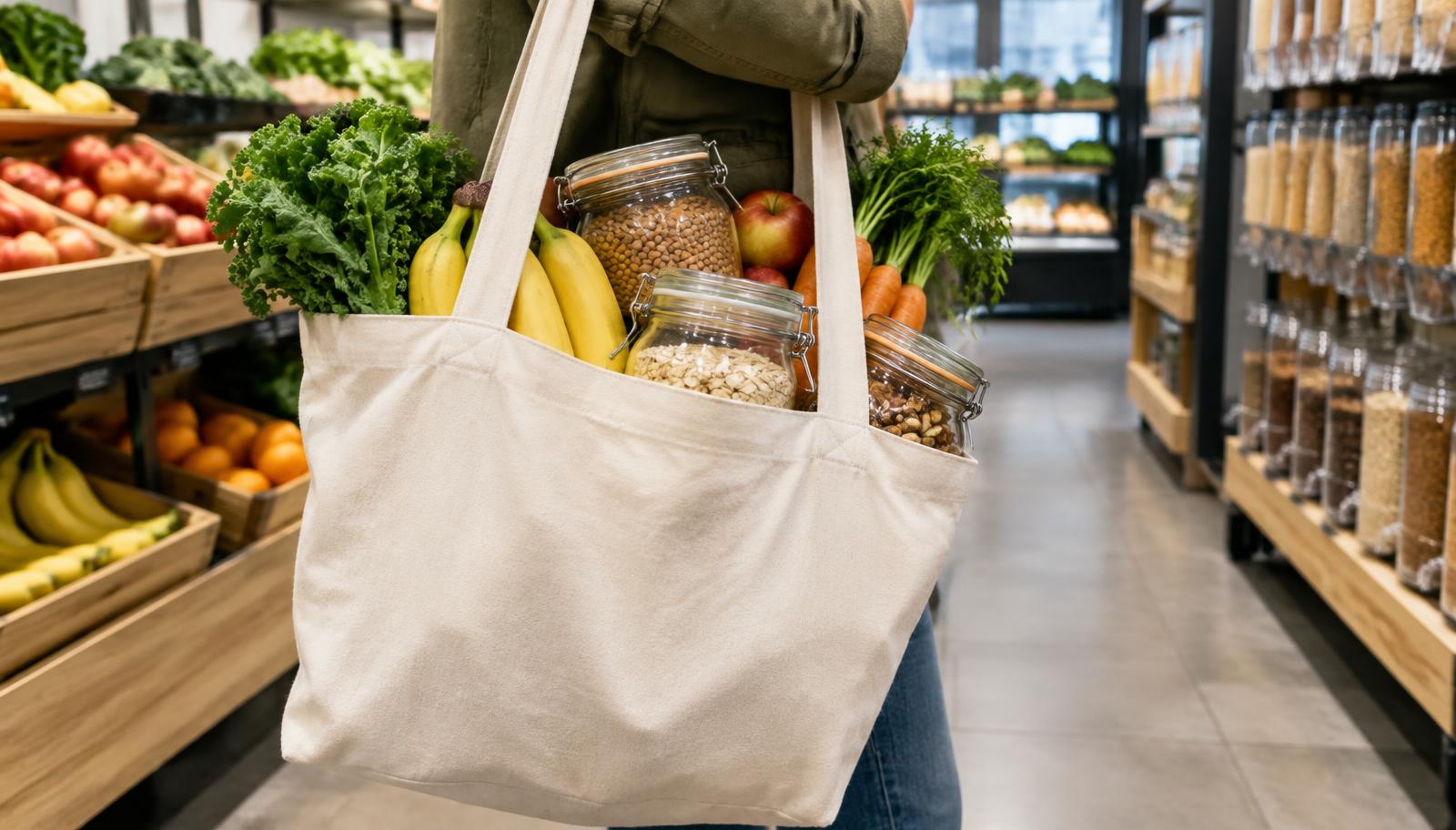
- Use reusable containers at refill stations in shops like Waitrose or M&S.

TL;DR
The Ethical Supermarket Shopping Guide UK 2026 empowers you to make conscious choices by identifying high-integrity certifications like the Soil Association and Fairtrade. Focus on seasonal British produce and B Corp-rated brands to ensure your grocery spend supports a fairer food system.
- 🌱 Organic
- 🚜 Local
- ♻️ Circular
- 🇬🇧 British
British supermarkets are currently under intense scrutiny from the Competition and Markets Authority (CMA) regarding their environmental claims. As shoppers, we face a dizzying array of labels, from 'carbon neutral' to 'pasture-fed,' many of which lack legal protection. This guide helps you cut through the noise to find truly ethical options at retailers like Sainsbury's, Ocado, and Booths.
In 2026, the cost of living remains a factor, but ethical shopping doesn't always mean spending more. By shifting away from processed 'convenience' foods toward whole, seasonal ingredients, consumers can often offset the premium associated with ethical certifications. Understanding the hierarchy of impact is the first step toward a more sustainable kitchen.
The framework: How to choose sustainable UK retailers 2026
To shop effectively, you need a repeatable system. We recommend the 'Three Pillars of Provenance' framework. This method ensures that every item in your trolley meets a minimum threshold for environmental and social responsibility before it reaches your home.
The framework involves checking the certification, the origin, and the packaging. If a product fails two of these three checks, it is likely a candidate for an alternative. According to Which? (2026), shoppers who use a structured approach to grocery shopping reduce their household food waste by up to 15%.
- Verify the Badge: Check for independent, third-party certifications like the Fairtrade Foundation or LEAF Marque.
- Trace the Source: Look for a specific farm name or UK region rather than generic 'Produced in the EU' labels.
- Audit the Wrap: Prioritise loose produce or packaging that is widely recycled via UK kerbside collections.
What to look for: Best way to verify ethical food labels UK
Not all labels are created equal. Some are industry-funded marketing tools, while others are rigorous, audited standards. Use the table below to distinguish between gold-standard logos and generic marketing terms you might encounter at Tesco or Morrisons.
| Signal | What it means | How to verify |
|---|---|---|
| Soil Association | Highest UK organic standard for soil and welfare. | Look for the 'GB-ORG-05' code on the pack. |
| Fairtrade Mark | Guaranteed fair prices and social premiums for farmers. | Check for the blue and green figure logo. |
| B Corp UK | Company meets high social and environmental standards. | Search the B Lab directory for the brand name. |
| MSC Blue Fish | Sustainably sourced seafood with traceable origins. | Ensure the logo is present on fresh or frozen fish. |
What to avoid: Identifying greenwashing in British food aisles
Greenwashing is the practice of making a product appear more environmentally friendly than it actually is. In the UK food sector, this often manifests as pastoral imagery or vague language. Watch out for these common red flags:
- Vague Claims: Terms like 'natural,' 'eco-friendly,' or 'farm fresh' have no legal definition in UK food labelling.
- Misleading Imagery: Pictures of rolling green hills on packaging for factory-farmed meat.
- Hidden Trade-offs: A product claiming to be 'plastic-free' but containing non-recyclable multi-layered laminates.
- Secondary Brand Shadows: Ethical-looking sub-brands owned by large conglomerates with poor environmental records.
Pro tip
Download the Pickly UK app to scan barcodes in-store; it instantly checks the brand's ethical rating against our 2026 database of UK retailers and suppliers.

Certifications that actually matter: Guide to UK organic food certifications 2026
The Soil Association is the UK's leading organic certifier. Their standards often go beyond the basic EU and UK organic requirements, particularly regarding animal welfare and the use of pesticides. When you see this logo, you are guaranteed that the food was produced with the highest regard for nature.
Another vital certification is the Fairtrade Foundation. In 2026, climate change is hitting coffee and cocoa farmers hard. Choosing Fairtrade ensures that these producers receive a 'Minimum Price' to protect against market fluctuations and a 'Premium' to invest in community projects like clean water or schools.
Watch out
Be wary of 'Self-Certification' schemes where large retailers create their own 'ethical' logos. These often lack the independent oversight required by Trading Standards.
Key facts
- Organic Growth: The UK organic market is worth over £3.2 billion in 2026.
- Plastic Tax: The UK Plastic Packaging Tax applies to packaging with <30% recycled plastic.
- Waste: UK households still throw away 6.6 million tonnes of food annually.
- Fairtrade: Over 6,000 products in the UK now carry the Fairtrade Mark.
- Retailers: Waitrose consistently tops ethical ranking tables for animal welfare.
Frequently Asked Questions
What is the best way to verify ethical food labels UK?
The best way to verify ethical food labels in the UK is to look for third-party, independent certifications such as the Soil Association or the Vegetarian Society Approved logo. Avoid relying on brand-led claims like 'responsibly sourced,' which are often not audited by external bodies. You can also check the Food Standards Agency (FSA) website for current labelling regulations.
How to choose sustainable UK retailers 2026?
To choose sustainable UK retailers in 2026, review their annual sustainability reports for specific targets on carbon reduction and plastic elimination. Retailers like M&S (Plan A) and Co-op often lead in community support and ethical sourcing. Look for shops that offer refill stations and clear signage regarding the provenance of their British-grown meat and produce.
How to reduce grocery packaging waste UK?
Reducing grocery packaging waste in the UK is easiest by choosing loose fruit and vegetables and shopping at 'zero-waste' sections now found in many Waitrose and Asda stores. Always bring your own reusable bags and choose products packaged in glass, aluminium, or FSC-certified paper, which are more widely recycled than thin-film plastics in the British recycling system.
Is there a guide to UK organic food certifications 2026?
Yes, the primary guide to UK organic food certifications involves recognising the Soil Association and Organic Farmers & Growers (OF&G) logos. These organisations ensure that no synthetic fertilisers or pesticides are used. In 2026, these standards remain the most robust way to ensure your food supports biodiversity and soil health across the British countryside.
Final word
Using an Ethical Supermarket Shopping Guide UK 2026 is about making progress, not achieving perfection. Every time you choose an organic milk or a Fairtrade coffee, you are voting for a better world. By staying informed and questioning the claims on the shelf, you help ensure that UK retailers remain accountable to their customers and the planet.