Key takeaways
- Refillable glass bottles save an average of 24 plastic bottles per year.
- Soil Association certification ensures ingredients are truly organic.
- Concentrated solutions are often 30% cheaper per wash than standard liquids.
- UK-made brands reduce shipping emissions significantly.
- Microfibre-free cloths prevent thousands of synthetic particles entering UK waterways.
TL;DR
Starting an ethical cleaning routine in the UK involves switching to non-toxic, refillable products that support fair wages and animal welfare. Focus on high-impact areas like laundry and surfaces first using local brands.
Many British households are now looking for ways to tidy up without harming the planet. An ethical cleaning routine UK doesn't require a total lifestyle overhaul overnight; instead, it is about making informed choices when your current bottles run out. According to a 2026 report by Ethical Consumer, the demand for sustainable home care has risen by 45% as shoppers move away from harsh chemicals found in traditional supermarket aisles.
Whether you are shopping at Waitrose, Sainsbury's, or local zero-waste shops, understanding labels is the first step. By choosing products verified by the Soil Association or B Corp UK, you ensure your money supports businesses committed to more than just profit. This guide will walk you through the transition from conventional chemicals to a kinder, cleaner home.
- 🌿 Non-Toxic
- 🐰 Cruelty-Free
- ♻️ Refillable
- 🇬🇧 UK-Made
The core concepts of a sustainable home
To navigate the world of ethical products, you need to understand what makes a cleaner truly 'green'. It is not just about the liquid inside the bottle, but the ethics of the company and the lifecycle of the packaging. In 2026, greenwashing remains a concern, so relying on third-party certifications is essential for clarity.
Here are the fundamental terms you will encounter while building your ethical cleaning routine UK:
- Biodegradable — Ingredients that break down naturally into non-harmful components without polluting UK waterways.
- Cruelty-Free — Products developed without any animal testing, usually marked by the Leaping Bunny logo.
- Circular Economy — A system where packaging is returned, refilled, or reused rather than binned.
- VOCs (Volatile Organic Compounds) — Harmful chemicals found in many sprays that can lower indoor air quality in British homes.
- Closed-loop Refill — A process where you return empty containers to the manufacturer to be washed and reused.

The 5-minute framework for switching
If you want to know how to switch to sustainable cleaning supplies UK without spending a fortune, follow this simple five-step method. The goal is progress, not perfection.
- Audit your cupboards: Don't throw away half-full bottles; use them up first to avoid waste.
- Identify the 'Big Three': Start by replacing your laundry detergent, all-purpose cleaner, and washing up liquid, as these are used most frequently.
- Choose a refill method: Decide if you prefer buying large 5L containers for home, or visiting a local refill station in shops like M&S or independent boutiques.
- Verify the brand: Check for the B Corp UK status or the Vegetarian Society seal to ensure ethical production.
- Swap your tools: Replace plastic sponges with compostable loofahs or wooden brushes when they wear out.
Key facts
- Average Refill Cost: £1.50 - £3.00 per 500ml
- Plastic Saved: Up to 2kg per household annually
- Common Cert: Leaping Bunny (Cruelty-Free)
- UK Market Share: 18% for eco-cleaners in 2026
- Top Retailer: Ocado and independent zero-waste stores
- Regulatory Body: CMA (Competition and Markets Authority)
How to find affordable ethical cleaning brands for UK shoppers
Cost is often a barrier, but ethical cleaning can actually save you money. Many British brands offer concentrates where you only pay for the active ingredients, not the water. This reduces shipping weight and price. According to Which? (2026), concentrated eco-liquids can be up to 20% cheaper per use than traditional ready-to-use sprays.
| Product Type | Standard Brand Price | Ethical Refill Price | Primary Benefit |
|---|---|---|---|
| All-Purpose Spray | £2.50 | £1.20 (Concentrate) | No single-use plastic |
| Laundry Detergent | £8.00 | £6.50 (Refill) | Plant-based enzymes |
| Toilet Cleaner | £2.00 | £2.20 | Septic tank safe |
Your first purchase: What to pick
When you are ready to make the leap, look for these specific items to build your starter kit. These are widely available via Amazon.co.uk or specialist sites like Ethical Superstore.
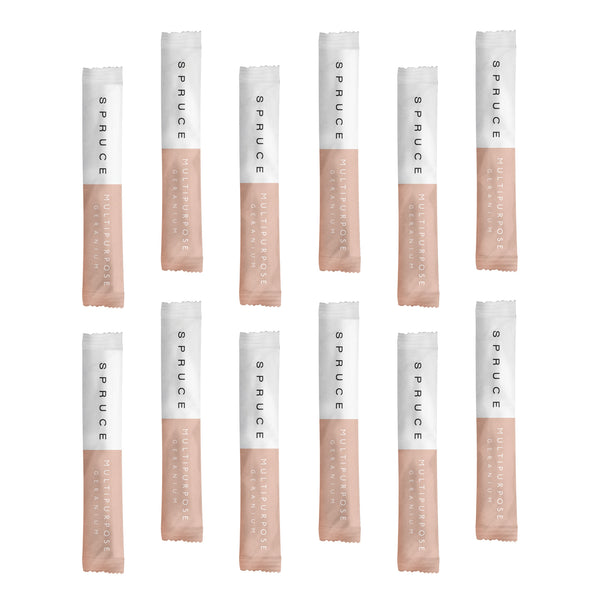
- Soluble Cleaning Sachets: Look for brands like Iron & Velvet (made in the UK) which dissolve in water in your own bottles.
- Castile Soap: A versatile liquid that can be diluted for everything from floors to hand wash.
- Eco-Friendly Laundry Strips: These eliminate plastic jugs and are highly space-efficient for small UK flats.
- Compostable Sponges: Made from wood pulp or sisal, these can go in your garden compost bin.
Pro tip
Before buying new glass spray bottles, clean out your old plastic ones and reuse them. The most sustainable bottle is the one you already own!

What are the best eco friendly cleaning products for British homes?
The UK market has several standout performers. Brands like Delphis Eco hold two Royal Warrants and are used throughout the Palace, proving that eco-friendly options meet professional standards. If you are looking for non-toxic household cleaners certified by Soil Association, Greenscents is a top-tier choice that uses organic ingredients. For those on a budget, the 'Eco' ranges at Sainsbury's and M&S provide accessible entry points into ethical living.
What to skip (for now)
- Expensive 'Electric' Scrubbers: Most ethical cleaning can be done with elbow grease and a good brush.
- Specialised Single-Room Cleaners: You don't need a different bottle for every room; a good all-purpose cleaner works for 90% of surfaces.
- Bulk buying unknown brands: Buy a small amount first to ensure you like the scent and effectiveness.
Frequently Asked Questions
Are ethical cleaning products as effective as chemical ones?
Yes, modern ethical cleaners are highly effective. In 2026, plant-based surfactants and enzymes have been engineered to match the grease-cutting power of traditional chemicals. Independent tests by Which? consistently show that top-rated eco-brands perform just as well on tough stains as their synthetic counterparts while being safer for your family.
Is an ethical cleaning routine UK more expensive?
It depends on how you shop. While individual bottles of eco-branded sprays can cost 10-20% more at a supermarket, using refill services or concentrates typically results in long-term savings. By purchasing 5-litre containers or water-soluble sachets, most households actually reduce their annual spending on cleaning supplies by significant margins.
How do I know if a brand is actually ethical or just greenwashing?
Look for third-party certifications rather than marketing slogans. Reliable indicators in the UK include the B Corp logo, the Leaping Bunny (for cruelty-free), and the Fairtrade Foundation mark for specific ingredients. You can also check the CMA Green Claims Code guidelines to see if a brand is meeting legal standards.
Can I make my own ethical cleaning products at home?
Yes, DIY cleaning is the most ethical and affordable option. Simple ingredients like white vinegar, bicarbonate of soda, and citric acid can handle most household tasks. For example, a 50/50 mix of vinegar and water makes an excellent glass cleaner. However, always be careful not to mix certain chemicals, like bleach and vinegar, which can create toxic fumes.
What is the best way of reducing plastic waste in UK home cleaning?
The most effective method is adopting a "refill at home" model. Instead of buying a new plastic bottle of spray every month, buy one high-quality glass or recycled plastic bottle and replenish it using concentrated refills. This single change can eliminate over 90% of the plastic waste associated with your household cleaning routine.
Where to go next
Now that you have the basics, explore our detailed reviews of the top eco cleaning brands to find the best fit for your home. You might also want to read our guide on zero-waste laundry tips or learn about the specific benefits of natural ingredients. Start small, stay consistent, and enjoy a fresher, fairer home in 2026.