Key takeaways
- Look for official UK certifications like the Soil Association or Leaping Bunny.
- Refillable systems can reduce plastic waste by up to 90% per year.
- Plant-based surfactants are as effective as traditional chemicals for daily grime.
- Avoid 'greenwashing' by checking the full ingredient list on the label.
- Ethical cleaning can save money when buying in bulk or using concentrates.
- The Leaping Bunny is the gold standard for cruelty-free products in the UK.
TL;DR
To begin using ethical cleaning products, focus on replacing one finished item at a time with concentrated refills from established UK brands. Look for the Leaping Bunny logo to guarantee zero animal testing and B Corp status for overall social and environmental impact.
- ● leaf
- ● recycle
- ● planet
- ● sustainable
Navigating the world of sustainable home care can feel overwhelming for many British consumers. With hundreds of bottles lining the shelves of Sainsbury's and Ocado, identifying truly ethical cleaning products requires a basic understanding of what happens behind the scenes of manufacturing.
Ethical cleaning products is a term used to describe household supplies that are biodegradable, non-toxic, and produced by companies that respect animal rights and human labour laws. According to a 2026 report by Ethical Consumer, over 70% of UK households now prioritise sustainability when purchasing kitchen and bathroom cleaners. This guide will help you identify the best options for your home.
Key facts
- Average UK Spend: Households spend £150 annually on cleaning supplies.
- Plastic Reduction: Refills save roughly 2.5kg of plastic per household per year.
- Certification: Over 1,500 UK companies now hold B Corp UK status.
- Microplastics: 95% of traditional sponges shed microplastics into UK waterways.
- Effectiveness: Natural acids (citric/acetic) kill 99.9% of common bacteria in just 60 seconds.
- Carbon Footprint: Switching to concentrated products can reduce carbon emissions by up to 30% per household per year.
New trends in ethical cleaning (2026)
In 2026, several emerging trends are making it even easier and more affordable to adopt ethical cleaning habits in the UK. From 'naked' products to innovative packaging solutions, keep an eye out for these exciting developments:
- Naked products: More brands now offer 'naked' products – packaging-free concentrates that can be poured into reusable bottles. This reduces waste and is typically cheaper in the long run.
- Refill stations: Major UK retailers like Waitrose, Tesco, and Ocado now offer in-store refill stations for popular brands like Ecover and Method.
- Compostable packaging: Some brands are turning to compostable materials like PLA (polylactic acid) for their product packaging, reducing the environmental impact at end-of-life.
- Smart products: Connected devices and smart home technology are becoming more prevalent in cleaning products, allowing users to track usage, order refills, and even optimise cleaning cycles.

The 5-minute framework for switching (updated)
You don't need to throw away your current supplies to start. In fact, using up what you have is the most sustainable approach. Follow this simple and updated process to transition to best eco friendly cleaning brands uk without the stress:
- Inventory check: List every cleaning product you currently own and note which ones are nearly empty.
- Certification search: When looking for a replacement at Boots or Argos, check for the Soil Association organic seal or the FSC UK logo on wood cleaners.
- Concentrate first: Select a brand that offers pouch concentrates or glass concentrates to mix with tap water, saving on packaging and cost.
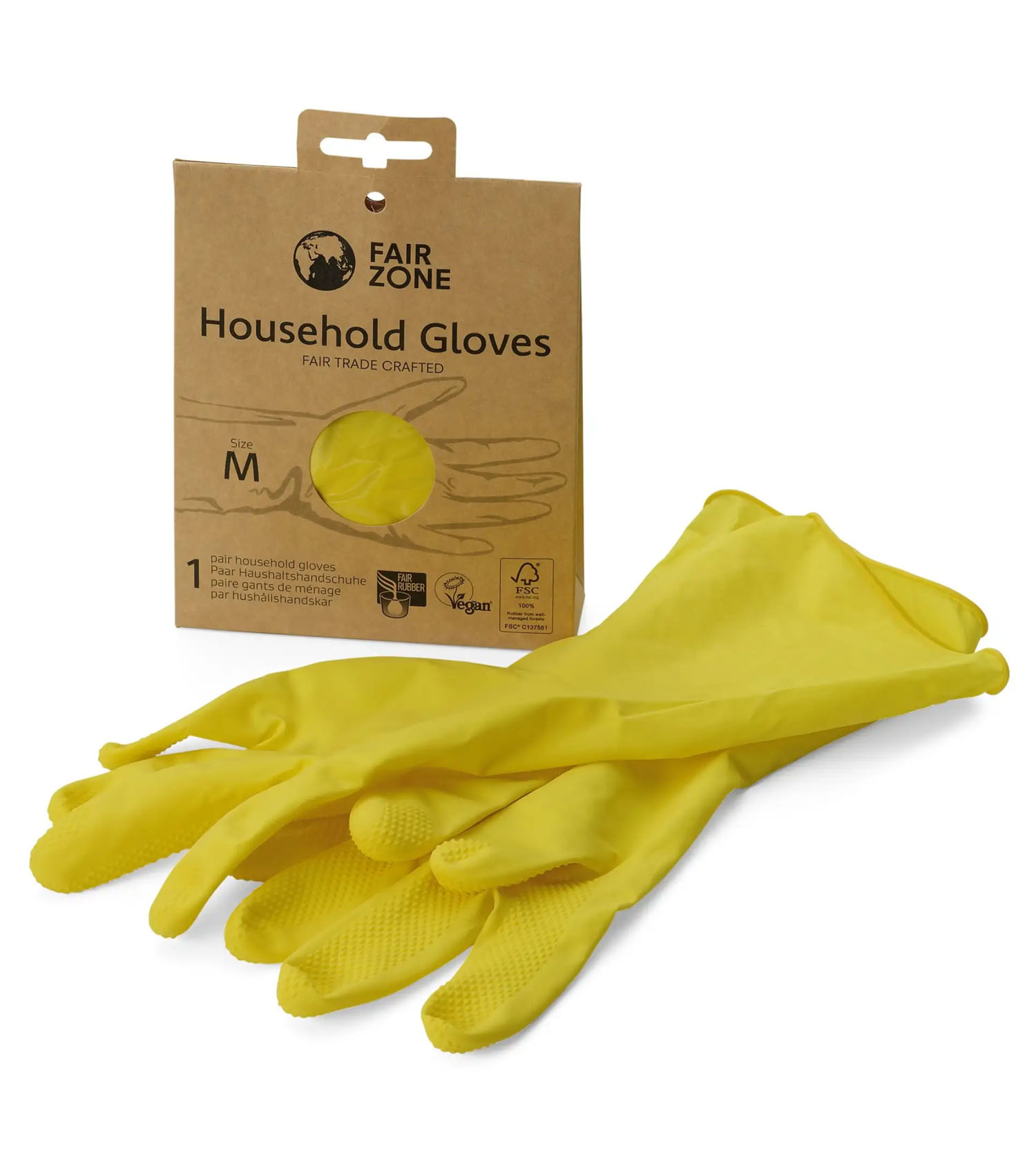
- Swap your tools: Replace plastic sponges with compostable loofahs or coconut fibre brushes available at most local health shops. Consider switching to silicone scrubbers to reduce rubber waste.
- Monitor results: Ensure your new all-purpose cleaner handles your specific regional water hardness (e.g., London's limescale). Additionally, monitor the performance of any smart devices you've integrated into your cleaning routine.
Your first purchase: Where to start?
For your first foray into ethical shopping, focus on high-frequency items. These are the products you use daily, where a switch makes the biggest difference to your home's chemical footprint. Check our comparison of traditional vs eco cleaners for more detailed data.
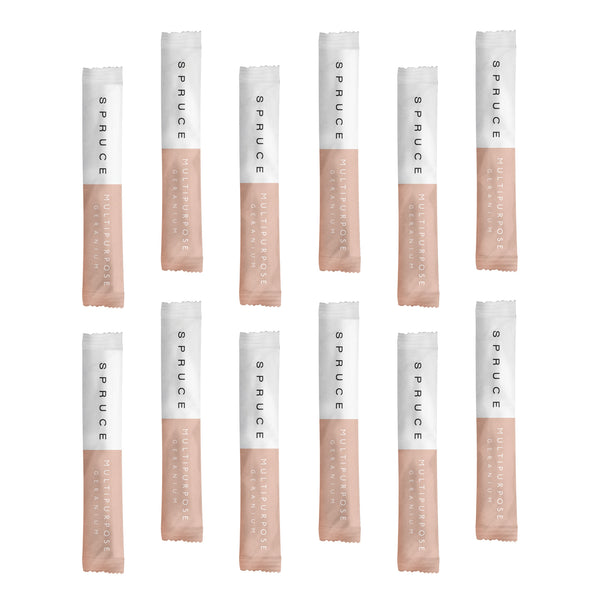
- Multipurpose Spray: Look for brands like Method or Neat, widely available in Tesco and Waitrose. Consider 'naked' options from brands like Miniml.
- Washing Up Liquid: Ecover (established in 1979) remains a reliable UK staple for beginners. Consider switching to a 'naked' concentrate to save on packaging.
- Laundry Detergent: Try Ecoegg or concentrated sheets to eliminate heavy plastic jugs. Some brands now offer refills for their detergent packets.
- Toilet Cleaner: Choose citrus-based formulas that avoid chlorine bleach, protecting septic tanks and waterways. Opt for refill pouches where possible.
Pro tip
Buying 'naked' or concentrated products is often one of the most cheap ethical cleaning supplies for uk homes. A £5 bottle of concentrate can often make up to 12 bottles of spray, reducing the per-unit cost to just 40p.
| Product Type | Traditional Issue | Ethical Alternative | UK Availability |
|---|---|---|---|
| Glass Cleaner | Ammonia vapours | Vinegar/Ethanol base | High (M&S, Ocado) |
| Floor Cleaner | Synthetic perfumes | Essential oil scents | Medium (Health stores) |
| Scourers | Microplastic shedding | Copper or Jute fibre | High (Amazon.co.uk) |
What to skip (for now)
When learning how to switch to non toxic cleaning products, it is easy to get carried away. Avoid these common pitfalls in your first month:
- Expensive electronic 'sanitising' gadgets that haven't been independently reviewed.
- Buying bulk liquids before you know if you like the scent or performance.
- Replacing perfectly functional plastic tools (brushes/buckets) with wooden versions before the plastic ones break.
- DIY recipes involving complex chemical mixing that might damage delicate surfaces like marble.
Frequently Asked Questions
Are natural cleaning products effective for kitchens?
Yes, natural cleaning products are highly effective for kitchens. According to testing by Which? (2026), plant-based surfactants and citric acid are capable of removing 99.9% of household bacteria and tough grease. Some natural ingredients, like sodium carbonate, can even cut through stubborn burnt-on food.
How do I know if a brand is truly ethical?
It depends on their transparency and third-party certifications. Look for the B Corp UK logo, which measures a company's entire social and environmental performance. Additionally, check the Leaping Bunny website to verify their cruelty-free status. Truly ethical brands will list 100% of their ingredients on their website, rather than just 'fragrance' or 'surfactants'. Consider supporting brands that prioritise fair labour practices and diversity in their workforce.
Is ethical cleaning more expensive in the UK?
Not necessarily. While the initial cost of a 'starter kit' might seem higher, using pouches or 'naked' concentrates and buying in bulk usually results in a lower cost per use. Many UK supermarkets now offer refill stations for popular brands, making ethical cleaning more affordable. A 2026 study by Ethical Consumer found that households can save around £30 per year by switching to concentrated and refillable products.
Can I mix different ethical cleaning brands?
Yes, you can generally use different brands for different tasks without issue. However, you should never mix the actual liquids together in the same bottle. Even natural ingredients like vinegar and castile soap can react (in this case, curdling the soap), rendering the cleaner ineffective and potentially messy. Always store different brands separately and follow the manufacturer's instructions for optimum performance.
What is the most important certification to look for?
The Leaping Bunny is widely considered the gold standard for cruelty-free products in the UK. For environmental impact, the EU Ecolabel (still widely used) or the Soil Association mark are excellent indicators. These certifications ensure that the product meets strict criteria regarding toxicity, biodegradability, and sustainable sourcing of raw materials. Additionally, look for brands that prioritise sustainable packaging and fair labour practices.
Where to go next
Once you have mastered the basics of sustainable household cleaning brands for beginners, you can explore more advanced topics. Consider reading our guide on bamboo textiles for eco-friendly cloths or check our latest reviews of biodegradable dishwasher tablets. For those looking to save more, our zero-waste glossary explains how to transition to a completely plastic-free utility room. Additionally, look into B Corp certified products and companies to support businesses that prioritise social and environmental sustainability.