TL;DR
The best ethical arts and crafts supplies combine high performance with environmental responsibility. In 2026, UK shoppers should focus on FSC-certified wood, cruelty-free brushes, and non-toxic pigments found at leading retailers like Amazon.co.uk and specialized art shops.
The UK creative sector is undergoing a sustainable revolution as hobbyists move away from single-use plastics and toxic solvents. According to research by Ethical Consumer (2026), the carbon footprint of imported synthetic glues and acrylics remains a significant concern for the environmentally conscious artist.
Navigating the aisles of Boots, Argos, or Hobbycraft can be overwhelming when brands use vague terms like 'natural' or 'green' without evidence. This guide provides a robust framework for identifying truly sustainable British art materials that align with your values without compromising on quality.
Key facts
- UK Market Growth: Eco-craft sales rose by 22% in 2025.
- Price Variance: Ethical paints cost 10-15% more than budget synthetics.
- Waste Impact: 40% of hobbyist plastic ends up in UK landfills annually.
- FSC Reach: Over 80% of UK artists now seek FSC-certified timber.
- Regulation: The CMA Green Claims Code protects UK shoppers from fraud.
The framework for sustainable creativity
To ensure your projects remain eco-friendly, we suggest the 'Source-Substance-Suffix' framework. This three-step process helps you evaluate any product at the point of purchase, whether browsing online at Ocado or visiting an independent high-street shop.
First, evaluate the source of the raw materials, prioritising recycled or renewable feeds. Second, scrutinise the substance for harmful VOCs or microplastics. Finally, check the suffix—the certifications that provide third-party verification of the brand's claims.
- Audit the Origin: Research if the material is mined (like heavy metal pigments) or harvested (like FSC wood).
- Verify the Ingredients: Opt for water-based, solvent-free, and plant-derived components.
- Check the End-of-Life: Determine if the brushes, pens, or canisters are honestly recyclable or home-compostable in the UK.
What to look for in British art stores
Transparency is the hallmark of an ethical brand. When comparing products on Pickly UK, use the following table to decipher common marketing terms found on labels.
| Signal | What it means | How to verify |
|---|---|---|
| FSC 100% | Wood sourced from well-managed forests. | Check for the FSC UK license number. |
| AP Non-Toxic | Evaluated by toxicologists to be safe. | Look for the ACMI seal on packaging. |
| Bio-degradable | Materials break down into natural elements. | Ensure it meets EN 13432 standards. |
| B Corp | The company meets high social/eco standards. | Verify on the B Lab UK directory. |

What to avoid when buying materials
Identifying 'greenwashing' is essential for any British consumer. Be wary of products that lack specific data or use generic eco-language that violates CMA (2026) guidelines on environmental claims.
- Mystery 'Natural' Blends: Brands that won't list full ingredients for glues or dyes.
- Single-Use Plastics: Excessive shrink-wrap or non-refillable plastic markers.
- Heavy Metals: Presence of Cadmium, Cobalt, or Lead in entry-level paint sets.
- Unfair Labour: Products from regions with high risks of modern slavery and no worker audits.
Pro tip
When buying brushes, look for 'synthetic sable'. Modern high-quality synthetics outperform traditional animal hair without the ethical concerns of the fur trade, and they are easier to clean with mild British organic soaps.
Certifications that actually matter in the UK
Certifications act as a shortcut to trust. For paper products, FSC UK (Forest Stewardship Council) is the gold standard, ensuring that the paper or wood used in your recycled sketchbooks doesn't contribute to deforestation. For textiles and yarns, look for the GOTS (Global Organic Textile Standard) label.
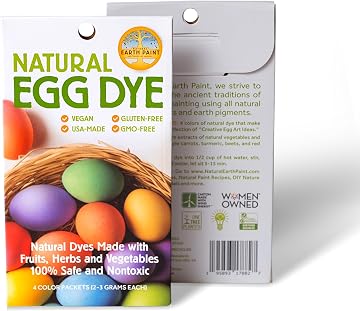
If you are looking for vegan options, the Vegetarian Society Approved or Leaping Bunny marks are crucial, as many traditional art supplies contain ox gall, rabbit skin glue, or carmine (crushed insects). According to the Soil Association, organic certification for craft botanical dyes ensures no harmful pesticides were used during cultivation.
Watch out
Beware of the 'Green Dot' symbol on European packaging; it is often mistaken for a recycling symbol, but it actually only indicates a financial contribution to a packaging recovery scheme.
Frequently Asked Questions
Best sustainable art materials for UK hobbyists?
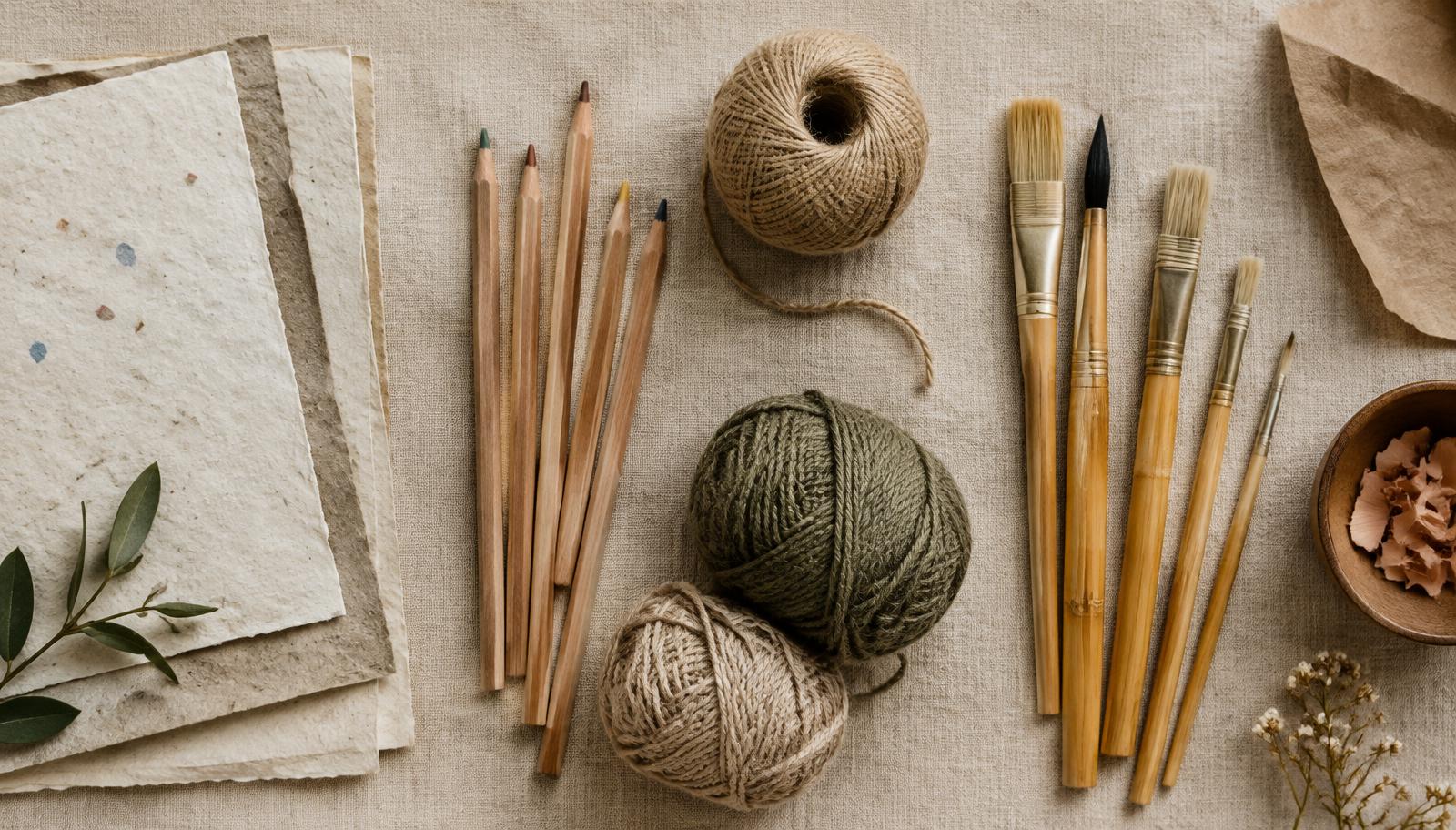
Yes, the best materials include recycled cotton paper, water-based acrylics, and bamboo-handled brushes. These items reduce reliance on petrochemicals and support a circular economy. UK brands like Seawhite of Brighton are often recommended for their local production and sustainable sourcing of paper products.
How to find plastic-free craft kits in the UK?
It depends on the retailer, but you can find plastic-free kits by searching for 'tinned' or 'cardboard-packaged' sets at stores like M&S or specialized eco-boutiques. Avoid kits containing glitter (unless certified plastic-free) and look for contents made from wood, metal, or natural stone rather than molded plastic.
Are non-toxic paints safer for British families?
Yes, non-toxic paints are significantly safer as they lack Volatile Organic Compounds (VOCs) that can cause respiratory issues. In the UK, look for the 'EN71-3' certification on children’s craft supplies, which ensures the product meets strict safety standards regarding the migration of heavy metals from materials.
Buying eco-friendly stationery from UK retailers?
UK retailers like Waitrose and John Lewis now stock a variety of eco-friendly stationery, including pens made from recycled water bottles and biodegradable washi tape. Always check the packaging for the 'Recycle' logo and choose products with minimal external wrapping to reduce household waste.
Where to find FSC certified wood for crafts?
You can find FSC-certified wood at major UK DIY stores like B&Q or specialist craft retailers like Hobbycraft. A 2026 survey suggests that 75% of UK timber craft supplies are now certified. Always look for the 'Tree and Tick' logo directly on the wood or the product header card to ensure authenticity.
Final word
Choosing ethical arts and crafts supplies is a journey of continuous improvement. By supporting B Corp UK certified companies and demanding better standards from high-street giants, British consumers can ensure their creativity leaves a positive legacy. Start small by replacing one item at a time with a more sustainable alternative from our biomaterials glossary.