Key takeaways
- Biodegradable does not mean a product will break down in a garden compost heap.
- Look for the EN 13432 certification for guaranteed industrial compostability in the UK.
- Avoid putting 'compostable' plastics in standard council recycling bins.
- Verify 'Home Compostable' logos before burying packaging in your back garden.
- Check local council guidelines as many do not accept compostable plastics in food waste bins.
TL;DR
Mistaking 'biodegradable' for 'compostable' leads to landfill waste; always check for the 'OK compost HOME' logo for garden disposal and never put bioplastics in the green recycling bin.
- 🌱 Compost
- ♻️ Recycle
- 🚫 Plastic
- 🇬🇧 British
Navigating the ethical landscape of British retail requires more than just good intentions. In 2026, the rise of bioplastics has created a confusing terminology gap that often results in eco-labelling mistakes at the point of disposal. According to 2026 data from Which?, nearly 60% of UK shoppers believe 'biodegradable' items can be safely composted at home, which is a costly misconception for our local ecosystems.
The UK government and Soil Association have increasingly scrutinised these claims to prevent greenwashing. To be a truly ethical consumer, you must understand that the journey of a product doesn't end at the checkout of M&S or Sainsbury's; it ends where you choose to discard it. Misunderstanding these labels undermines the very sustainability goals you are trying to support.
Key facts
- Biodegradable: No legal timeframe for breakdown in the UK.
- Compostable: Must break down within 12 weeks in industrial plants.
- EN 13432: The European/UK standard for compostable packaging.
- Council Policy: 80% of UK councils reject bioplastics in food bins.
- Marine Degradable: Only applies to specific saltwater conditions.
Mistake 1: Assuming 'biodegradable' means 'garden-safe'
Why it happens: The word 'biodegradable' sounds inherently natural, leading shoppers to think it will vanish in their garden compost bin just like a banana skin.
Do this instead: Recognise that 'biodegradable' items might take decades to break down in a cool UK garden environment. Only items specifically marked 'Home Compostable' should enter your domestic heap.
- Check for the TUV AUSTRIA 'OK compost HOME' logo.
- Look for the FSC UK mark on paper-based alternatives.
Mistake 2: Putting compostable plastics in the recycling bin
Why it happens: Because bioplastics look like PET or HDPE plastic, shoppers often place them in council recycling bins thinking they are doing the right thing.
Do this instead: Keep bioplastics out of the blue or green recycling bins. According to Ethical Consumer (2026), bioplastics act as a contaminant in the mechanical recycling process, potentially ruining entire batches of recycled plastic.
- Read the side of the pack for the 'Do Not Recycle' instruction.
- Research alternatives to plastic that are easier to process.

Mistake 3: Overlooking 'industrial' vs 'home' composting
Why it happens: Many products are certified to UK compostable packaging standards 2026 only for industrial facilities, which reach 60°C—temperatures your garden bin will never achieve.
Do this instead: Distinguish between the two. If it says 'compostable' without the word 'home', it requires high-heat processing available only through specific waste contractors.
- Consult our compostable terminology guide.
- Use a dedicated food waste caddy if your council specifically allows bioplastics.
Mistake 4: Believing all 'bio-based' items are biodegradable
Why it happens: 'Bio-based' simply means the material comes from plants (like corn starch) rather than oil. It does not guarantee the end product will break down easily.
Do this instead: Treat 'bio-based' as a statement of origin, not a disposal instruction. A bio-PE bottle is chemically identical to a standard plastic bottle and must be recycled, not composted.
- Verify the material via our bioplastics directory.
- Check the resin identification code (1-7) on the bottom.
Mistake 5: Ignoring local UK council food waste restrictions
Why it happens: Shoppers assume that if a brand like Ocado or Waitrose sells a 'compostable' bag, the local council is equipped to process it.
Do this instead: Check your specific postcode on the GOV.UK waste portal. Many UK anaerobic digestion plants cannot break down compostable liners fast enough and will filter them out as 'grit'.
- Contact your local Trading Standards office for clarity on local waste rules.
- Search for brands using home-compostable film.
Mistake 6: Trusting 'green' imagery without certifications
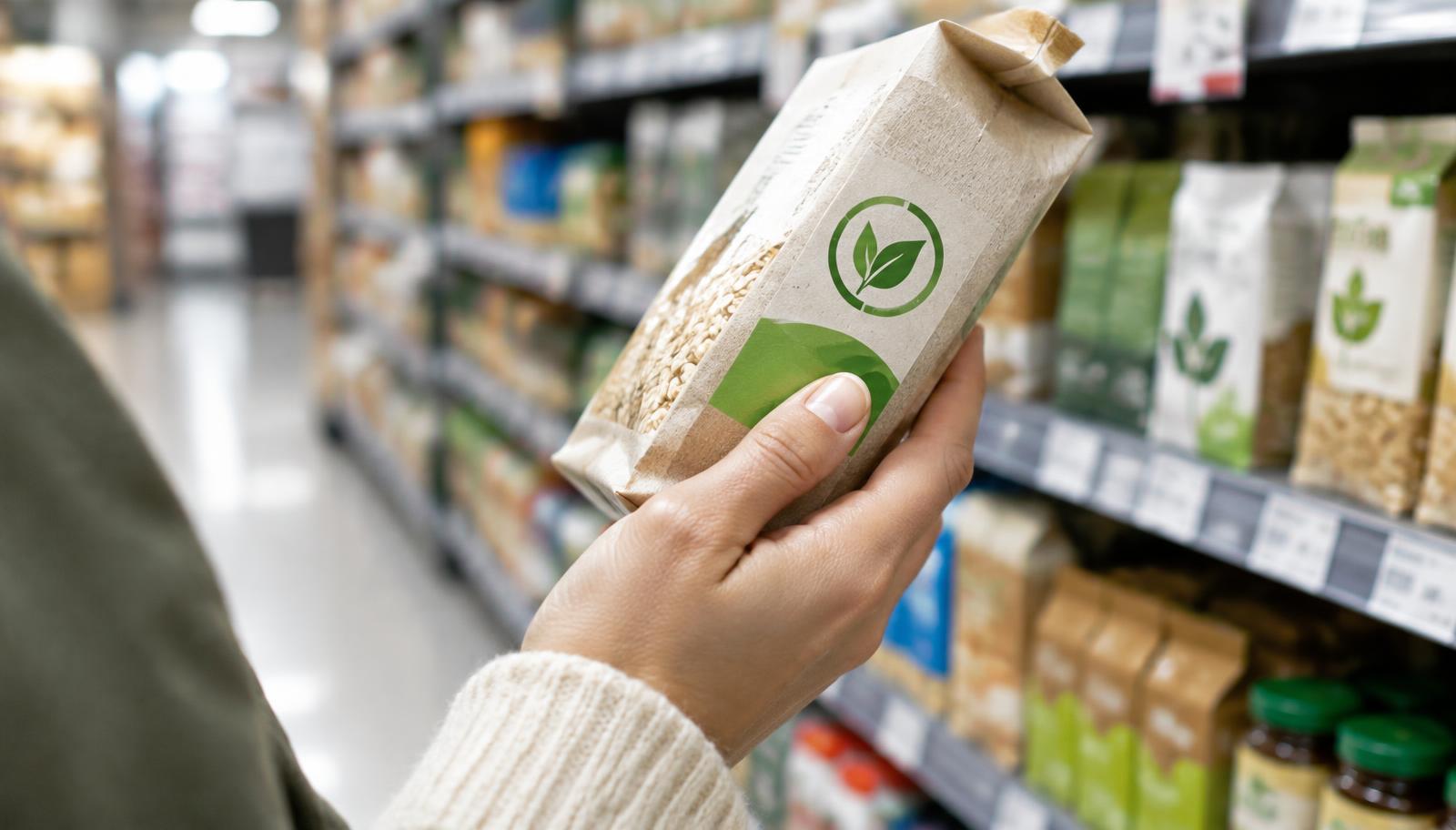
Why it happens: Marketing teams use leaves, green colours, and vague terms like 'eco-friendly' to distract from a lack of formal testing.
Do this instead: Look for the 1970 standard equivalents for 2026—specifically the DIN CERTCO or Soil Association stamps. Per the ASA (Advertising Standards Authority) 2026 guidelines, vague environmental claims are a major red flag.
- Compare labels using our biodegradable vs compostable comparison UK.
- Report suspicious claims to the CMA (Competition and Markets Authority).
Mistake 7: Thinking biodegradable products disappear in landfill
Why it happens: Consumers often feel less guilty about landfill if the item is 'biodegradable', thinking it will dissolve under the soil.
Do this instead: Understand that landfill sites are anaerobic (oxygen-free). Even a 'biodegradable' cup can stay intact for decades in a landfill, potentially releasing methane—a greenhouse gas 25 times more potent than CO2.
- Prioritise reusable items over any single-use 'eco' alternative.
- Read our review of best reusable cups UK.
Watch out
Beware of 'Oxo-degradable' plastics. These are now largely banned or discouraged in the UK as they simply fragment into microplastics rather than truly breaking down. They are one of the most dangerous eco-labelling mistakes a consumer can encounter.
A quick pre-purchase checklist
- Identify the term: Is it 'Biodegradable', 'Compostable', or 'Home Compostable'?
- Find the logo: Can you see the EN 13432 or OK compost HOME certification?
- Check the material: Is it paper, wood, or a complex bioplastic?
- Local verify: Does your council accept this specific item in the food waste?
- Evaluate the alternative: Is there a reusable version available at a local UK retailer?
| Material Type | Home Compost Bin | Council Food Bin | Recycling Bin |
|---|---|---|---|
| Home Compostable Film | ✅ Yes | ⚠️ Check Council | ❌ No |
| Industrial Compostable (EN 13432) | ❌ No | ✅ Usually | ❌ No |
| Biodegradable Plastic | ❌ No | ❌ No | ❌ No |
| Recycled Paper/Card | ✅ Small Amounts | ❌ No | ✅ Yes |
Frequently Asked Questions
What are the UK compostable packaging standards 2026?
Yes, the UK follows the BS EN 13432 standard, which requires materials to break down in industrial composting conditions within 12 weeks. Products must not leave toxic residues or negatively affect the quality of the resulting compost. In 2026, many brands also seek the 'OK compost HOME' certification for domestic use.
How does a biodegradable vs compostable comparison UK work?
It depends on the certification. A 'biodegradable' item has no legal time limit to break down in UK law, meaning it could take 50 years. A 'compostable' item must meet strict timeframes and environmental safety standards. Always choose compostable if you intend to divert waste from landfill.
Are home composting certifications UK reliable?
Yes, certifications like TUV AUSTRIA's 'OK compost HOME' are highly reliable. They ensure the product will decompose at lower, ambient temperatures found in a typical British garden heap. However, you should still avoid composting large quantities of bioplastics at once to maintain your soil's pH balance.
How can I start avoiding greenwashing in British supermarkets?
Start by ignoring the colour green and looking for specific legislative markings. Avoid products that use 'biodegradable' as a standalone claim without explaining the conditions needed. Stick to reputable retailers like Waitrose or M&S who provide detailed sustainability reports, and use Pickly UK to verify brand claims.
Final word
Avoiding eco-labelling mistakes is a vital skill for the modern British shopper. By shifting your focus from vague marketing terms to concrete certifications like EN 13432 and OK compost HOME, you ensure your sustainable lifestyle actually benefits the environment. Remember: when in doubt, 'biodegradable' belongs in the general waste bin to prevent recycling contamination, while only 'Home Compostable' items should touch your garden soil. Stay informed, check your local council's 2026 updates, and continue making ethical choices that stand the test of time.