TL;DR
Choose eco-friendly supplies for a non-toxic home environment and reduced plastic waste; opt for conventional supplies only when specific high-performance industrial pigments are strictly necessary for archival professional commissions.
The debate between eco-friendly vs conventional art supplies is no longer just about price; it is about the legacy of the materials we leave behind. Traditional art manufacturing often relies on fossil fuels, toxic heavy metals, and single-use plastics that can linger in the environment for centuries.
In 2026, UK consumers are increasingly scrutinising the environmental impact of traditional art supplies before making a purchase. Whether you are a professional painter or a weekend crafter, understanding the chemical makeup of your palette is essential for ethical consumption.
Key facts
- Microplastics: 1 litre of conventional acrylic paint contains approximately 40% plastic binder.
- Certification: Look for the Soil Association logo for organic-based waxes.
- Market Growth: UK demand for non-toxic kits rose by 22% in 2025 according to the CMA.
- Toxicity: Traditional Cobalt and Cadmium paints require specialist disposal under UK waste laws.
- Packaging: 90% of eco-brands now use FSC UK certified timber for pencils.
- Biodegradability: Modern eco-glitter degrades in 90 days compared to 400 years for plastic glitter.
At a glance: Comparing art material types
| Criteria | Eco-Friendly Supplies | Conventional Supplies |
|---|---|---|
| Primary Binder | Plant-based or natural gums | Acrylic polymers (plastics) |
| Pigment Source | Earth minerals and botanicals | Synthetic and heavy metals |
| Health Impact | Low VOCs, non-toxic | Potential respiratory irritants |
| Disposal | Biodegradable / Recyclable | Hazardous waste in some cases |
| Longevity | High (artist grade) | High / Archival |
| Average Price | £15 - £45 per set | £10 - £60 per set |
Option A: Eco-Friendly Art Supplies
Eco-friendly supplies prioritise the health of the artist and the planet. These products typically use binders like gum arabic or plant oils and replace synthetic fillers with natural alternatives. Leading UK brands now offer professional-grade sustainable art materials for UK artists that rival the performance of their petroleum-based counterparts.
According to Ethical Consumer (2026), brands that utilise recycled aluminium tubes and plastic-free packaging are setting a new standard for the industry. Many of these products are also vegan, avoiding animal-derived ingredients like bone char or carmine.
- Pro: Safe for use around children and pets due to lack of harsh fumes.
- Pro: Supporting B Corp UK certified businesses ensures fair labour.
- Pro: Biodegradable components do not contribute to microplastic pollution.
- Con: Limited availability of extremely bright neon colours which require synthetics.
- Con: Some natural oil paints may have longer drying times than synthetic alkyds.
Option B: Conventional Art Supplies
Conventional supplies have been the industry standard for decades, prized for their consistency and low cost of production. However, the environmental impact of traditional art supplies is significant, particularly with fluid acrylics that release liquid plastics into the sink during cleanup. Many of these items are sold at discounters like Argos or high-street stationers.
While they offer a vast range of colours, many contain VOCs (Volatile Organic Compounds) that require well-ventilated spaces. Per Which? (2026) safety tests, older formulations of student-grade paints sometimes contained traces of restricted heavy metals before 2026 regulation updates.
- Pro: Widely available at almost every UK high street retailer.
- Pro: Highly predictable performance for specific industrial applications.
- Pro: Generally lower entry price point for beginners.
- Con: High plastic content in binders and synthetic packaging.
- Con: Environmental hazards associated with pigment mining.
How to choose the right materials for your studio
Choosing between these two options depends on your specific project requirements and your commitment to a plastic-free lifestyle. If you are working in a small, unventilated flat, the health benefits of non-toxic options are paramount. Consider these decision rules:
- Check for Leaping Bunny certification if you require cruelty-free brushes.
- Select eco-friendly if your supplies will be used by children, ensuring they meet Trading Standards safety markers.
- Choose conventional for exterior murals where extreme weather resistance is the only priority.
- Assess the packaging—prioritise tins over plastic tubes whenever possible.
Pro tip
When cleaning brushes used with conventional acrylics, use a 'two-jar' system to settle the paint solids. This prevents liquid microplastics from entering the UK water system, protecting our rivers and oceans.
Frequently Asked Questions
What are the best non-toxic paints for British studios?
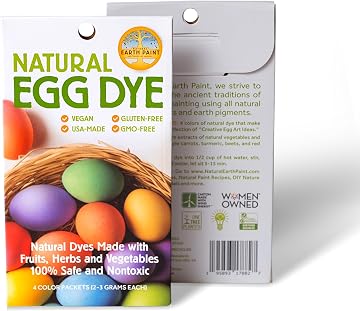
The best non-toxic paints for British studios are natural watercolours and plant-based oils from brands like Natural Earth Paint or UK-made vegan acrylic alternatives. These products avoid harmful VOCs and heavy metals, making them safer for small home studios where ventilation might be limited. Always look for the EN71-3 safety rating on the label.
Where to buy biodegradable glitter UK?
Yes, you can find genuine biodegradable glitter in the UK at specialty retailers like EcoGlitterFun or major stores like John Lewis. Ensure the product is certified as 'OK Biodegradable Marine' by TUV, which guarantees it will break down in water environments rather than just being 'compostable' in industrial facilities.
Are ethical art kits for sustainable crafting worth the extra cost?
Yes, ethical art kits for sustainable crafting are worth the investment because they prioritise durability and health. While the upfront cost may be 10-15% higher, these kits often contain higher pigment loads which last longer. Furthermore, they support UK-based businesses that adhere to strict environmental standards and fair-trade practices.
How do I identify the environmental impact of traditional art supplies?
It depends on the specific ingredients listed on the Safety Data Sheet (SDS). To identify the impact, check if the paint contains 'plastic' binders (like Polymer) or pigments derived from mining (like Cadmium). You can research specific brands via the Pickly UK Environmental Impact Score to see how they rank on sustainability.
Verdict
When comparing eco-friendly vs conventional art supplies, the 2026 winner for the majority of UK consumers is the eco-friendly category. The rapid improvement in performance means you no longer have to sacrifice quality for ethics. For most artistic applications, sustainable materials provide a safer, cleaner, and more responsible way to create. Transitioning your studio to sustainable brands is a positive step toward reducing your carbon footprint while maintaining your creative expression.