Key takeaways
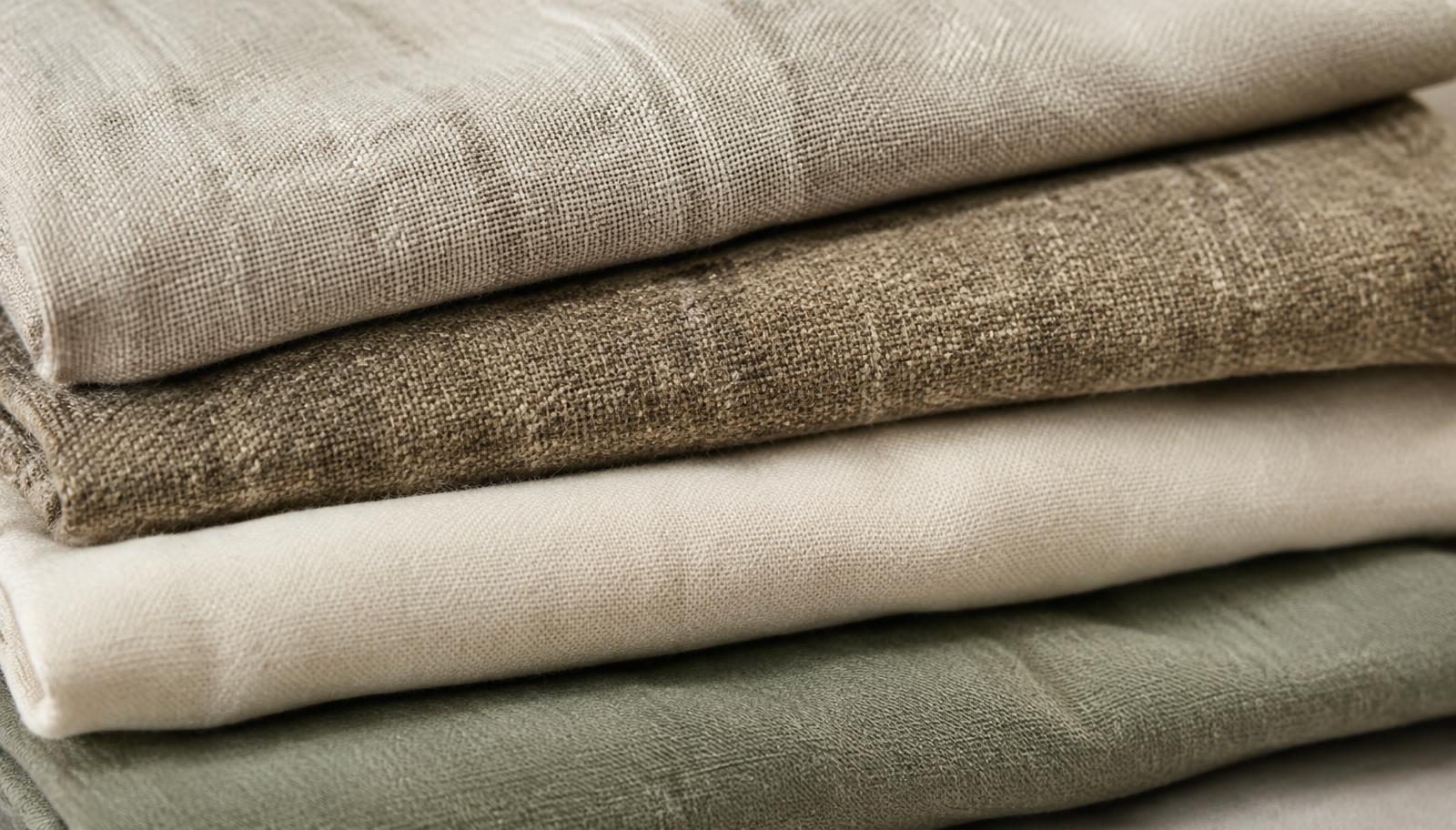
- Organic linen and hemp are the lowest-impact fibres for the UK climate.
- Tencel Lyocell offers a closed-loop alternative to traditional viscose.
- Recycled polyester is a better choice for outerwear but still sheds microplastics.
- Look for GOTS and Fairtrade Foundation labels for social and eco-assurance.
- Avoid 'greenwashed' labels that lack specific third-party verification.

TL;DR
The Best Sustainable Fabrics UK shoppers should look for are those with high durability and low chemical inputs, such as organic linen and Tencel. Prioritising natural, biodegradable fibres helps reduce the 350,000 tonnes of clothing that goes to UK landfills annually.
- 🌱 Eco-Friendly
- 🧵 Durable
- 📦 Plastic-Free
- 🇬🇧 UK-Certified
Navigating the high street in 2026 feels like a minefield of 'conscious' collections and 'eco-edit' tags. However, the environmental footprint of a garment is largely determined at the fibre stage. For British shoppers, choosing materials that suit our temperate climate while respecting planetary boundaries is the first step toward a functional, ethical wardrobe.
Whether you are browsing John Lewis or looking for independent designers on Pickly UK, knowing your textiles prevents expensive mistakes. High-quality natural fibres not only last longer but also avoid the microplastic shedding associated with cheap synthetics commonly found in fast-fashion outlets.
The 2026 Material Selection Framework
To help you choose the best sustainable fabrics UK brands offer, we recommend using the 'L.I.F.E.' framework. This simple four-step process ensures that every garment you buy aligns with ethical values and practical needs.
- Locate the source: Check if the raw material is natural (plant/animal), recycled, or virgin synthetic.
- Investigate the impact: Research how much water and energy the fibre requires (e.g., organic vs conventional cotton).
- Find the certification: Look for logos like GOTS or the Soil Association on the care label.
- Evaluate the end-of-life: Ask if the fabric can be composted or easily recycled at the end of its useful life.
How to identify eco-friendly textiles in British shops
When you are at M&S or Boots looking at textile-based products, use this comparison table to verify the sustainability claims on the tag.
| Fabric Signal | What it means | How to verify |
|---|---|---|
| Organic Cotton | Grown without synthetic pesticides. | Check for the GOTS (Global Organic Textile Standard) logo. |
| Tencel™ Lyocell | Wood pulp processed in a closed-loop system. | Look for the Lenzing AG trademark on the swing tag. | Linen grown in Europe with no irrigation. | Verified by the CELC (European Confederation of Flax and Hemp). |
| Recycled Polyester | Plastic waste (often bottles) spun into yarn. | Look for the GRS (Global Recycled Standard) certification. |
Sustainable fabric choices for a UK winter wardrobe
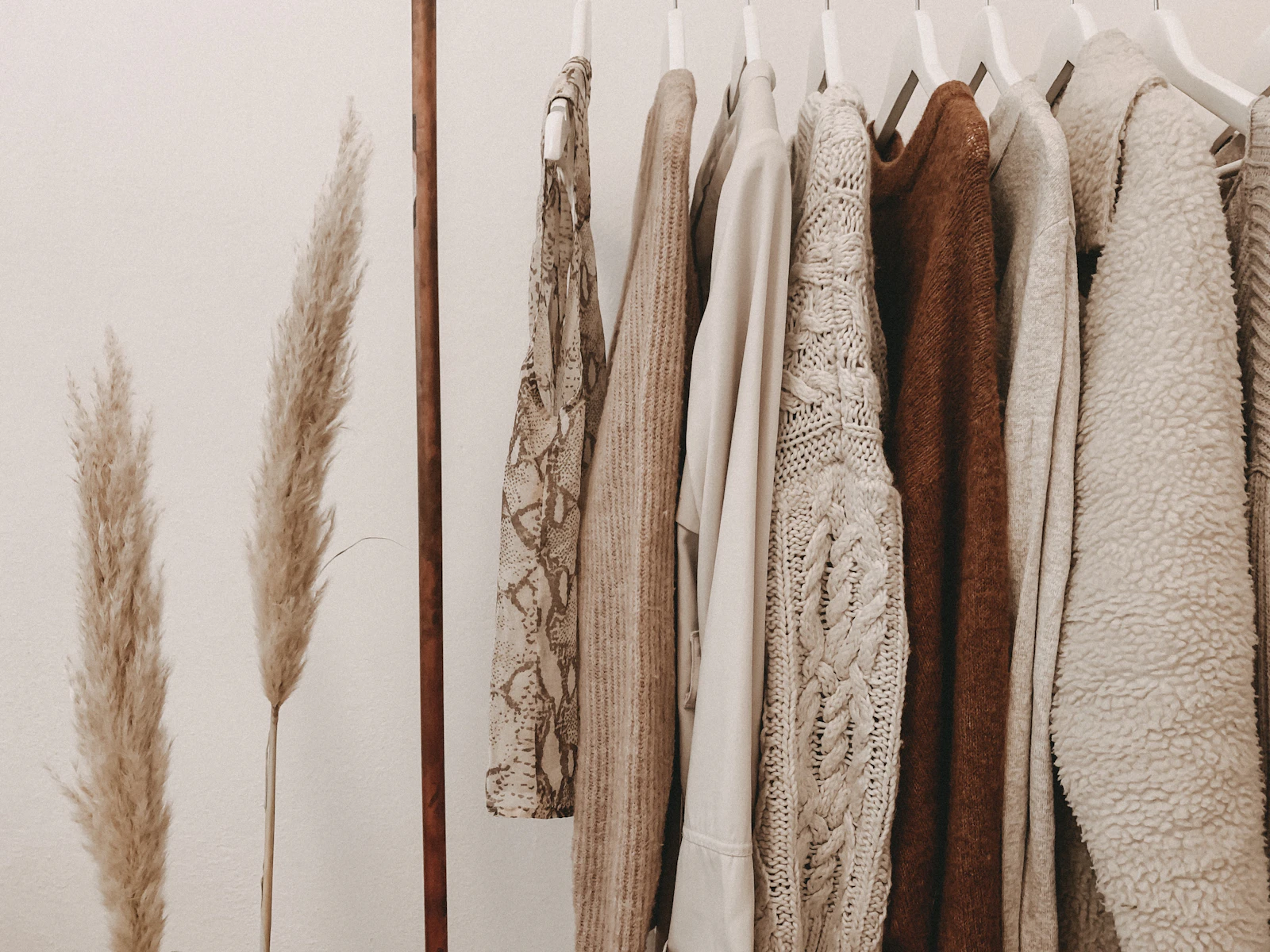
Winter in Britain demands warmth and moisture-wicking properties. While synthetic fleece is common, it is rarely the most ethical choice due to shedding. Instead, focus on these superior alternatives:
- Responsible Wool: Look for the RWS (Responsible Wool Standard) to ensure animal welfare and land management.
- Recycled Cashmere: Provides luxury warmth with a significantly lower carbon footprint than virgin goat hair.
- Heavyweight Hemp: Naturally antimicrobial and gets softer with every wash, perfect for layering.
- Deadstock Fabrics: Materials salvaged from luxury fashion houses that would otherwise be incinerated.
Pro tip
Always check the 'composition' label inside the garment rather than the marketing fluff on the front. A 'cotton-rich' blend often contains up to 40% polyester, making the garment nearly impossible to recycle in current UK facilities.
Certifications that actually matter
In the UK, the Competition and Markets Authority (CMA) has cracked down on vague green claims. To find the best sustainable fabrics UK retailers sell, look for these specific badges of honour:
GOTS (Global Organic Textile Standard) is the gold standard for organic fibres, covering both ecological and social criteria through the entire supply chain. Similarly, the Fairtrade Foundation certification ensures that the farmers growing the cotton receive a fair price and a social premium for community projects.
For regenerated fibres, OEKO-TEX Standard 100 is vital; it guarantees that the finished fabric has been tested for harmful substances and is safe for human health. If you are buying wool, the ZQ Merino standard is highly regarded for its strict animal welfare requirements.
Watch out
Beware of 'Bamboo Viscose'. While bamboo grows quickly, the chemical process to turn it into soft fabric is often highly toxic. Only buy bamboo if it is specifically labelled as 'Lyocell-process' or 'Monocel'.
Key facts
- UK Landfill: 350,000 tonnes of clothing discarded annually per WRAP (2026).
- Water Savings: Organic cotton uses 91% less water than conventional cotton.
- Microplastics: One laundry load can release 700,000 plastic fibres.
- Market Value: The UK ethical clothing market grew by 12% in 2025.
- Price Point: Sustainable fabrics typically cost 15-30% more but last 2x longer.
- Certification: GOTS requires at least 70% organic fibres.
Frequently Asked Questions
What are the most ethical clothing materials for UK shoppers?
The most ethical clothing materials are those that are GOTS-certified organic, recycled, or regenerative. In 2026, organic linen, hemp, and Tencel Lyocell are considered top-tier because they require minimal pesticides and water. According to Ethical Consumer (2026), these natural fibres also avoid the microplastic pollution associated with synthetic alternatives like nylon.
Compare ethical fashion certifications for British consumers?
To compare ethical fashion certifications, look at their scope: GOTS covers organic status and social rights, whereas OEKO-TEX focuses on chemical safety. B Corp UK measures the entire company's impact, and Fairtrade Foundation focuses on farmer pricing. For the best sustainable fabrics UK brands offer, a combination of GOTS and Fairtrade provides the highest level of assurance.
What are the benefits of organic linen vs recycled polyester UK?
The benefits of organic linen include total biodegradability, breathability, and a very low carbon footprint as it is often grown in Europe. Recycled polyester is useful for water-resistant outerwear but remains a synthetic material that sheds microplastics. In the UK climate, linen is ideal for summer, while recycled polyester is better suited for durable, recycled raincoats.
How do I find sustainable fabric choices for a UK winter wardrobe?
Finding sustainable winter fabrics involves looking for RWS-certified wool, recycled cashmere, or heavy-duty organic cotton brushed flannels. These materials provide thermal insulation without the environmental cost of virgin oil-based synthetics. Retailers like Marks & Spencer increasingly highlight these recycled blends in their winter ranges, making them easier to spot.
Final word
Investing in the Best Sustainable Fabrics UK has to offer is not just an environmental choice, but a financial one. A high-quality organic wool jumper or a well-made linen shirt will outlast three 'fast-fashion' equivalents, saving you money over time. By prioritising certifications like GOTS and supporting brands that are transparent about their supply chain, British consumers can drive the industry toward a cleaner, fairer future. Always remember to check our glossary if you are unsure about a specific textile claim.


